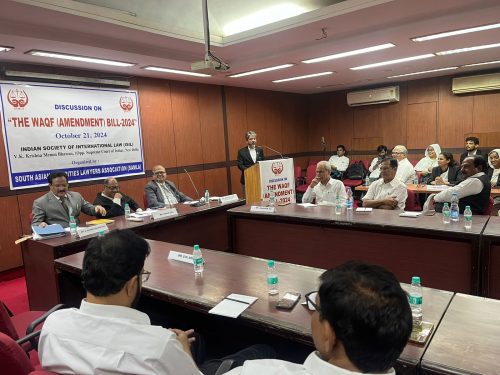
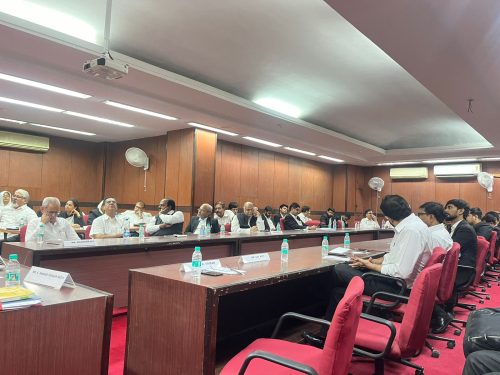
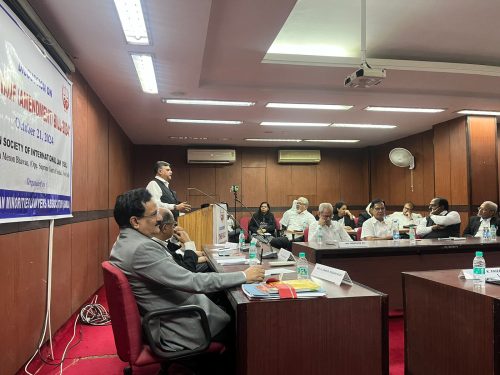
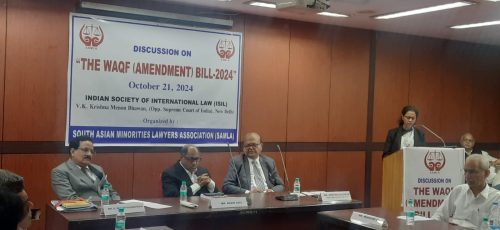
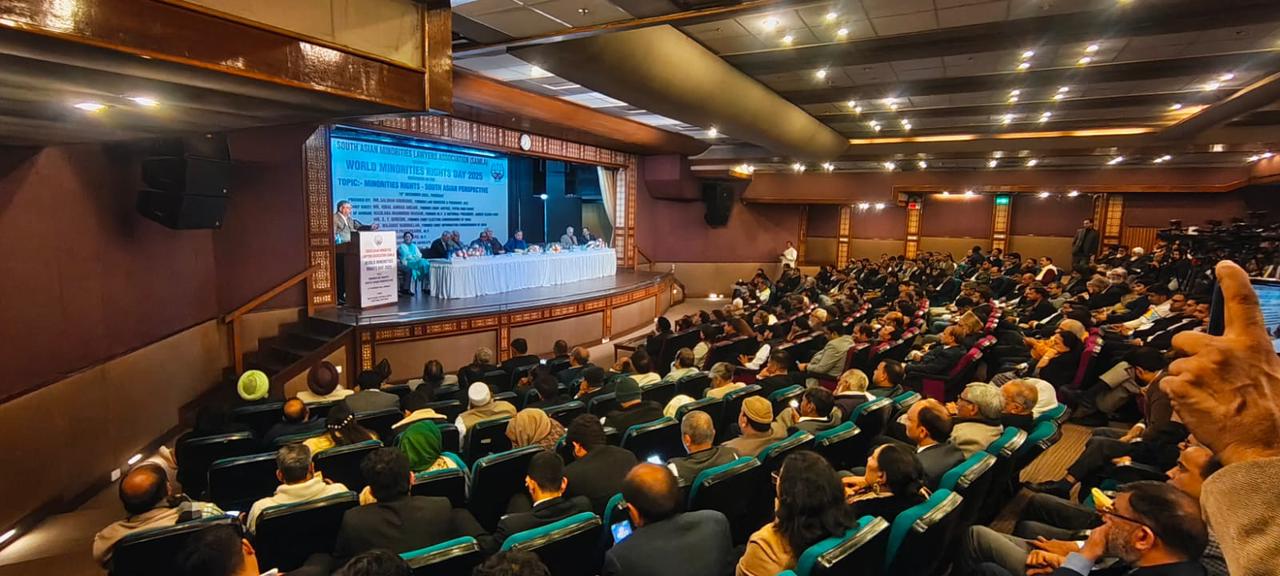
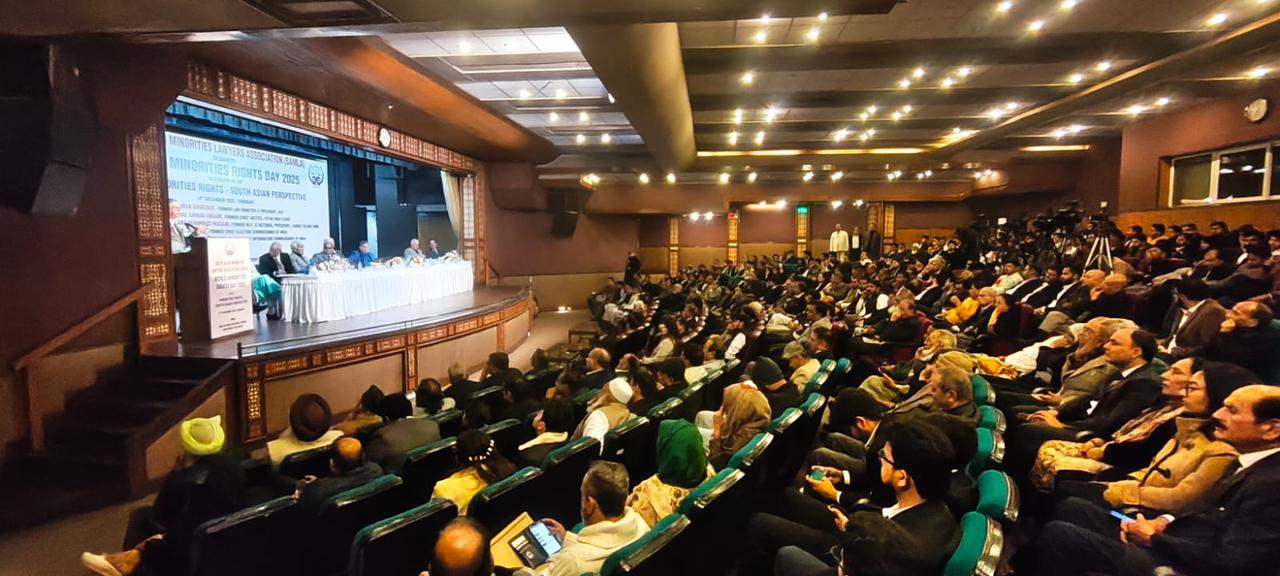
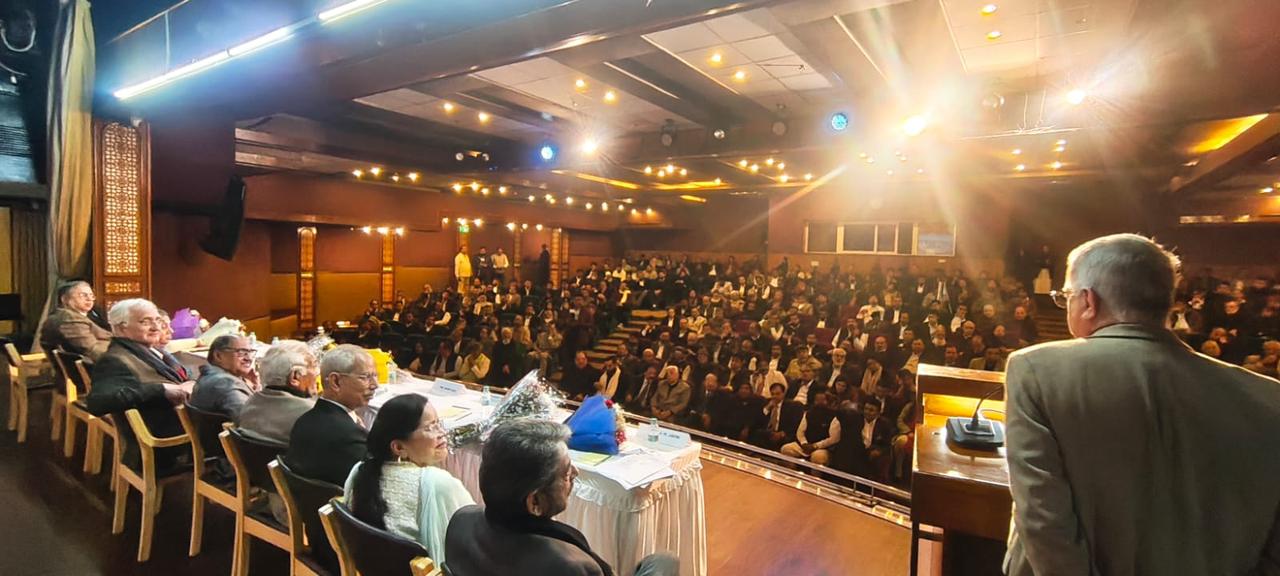
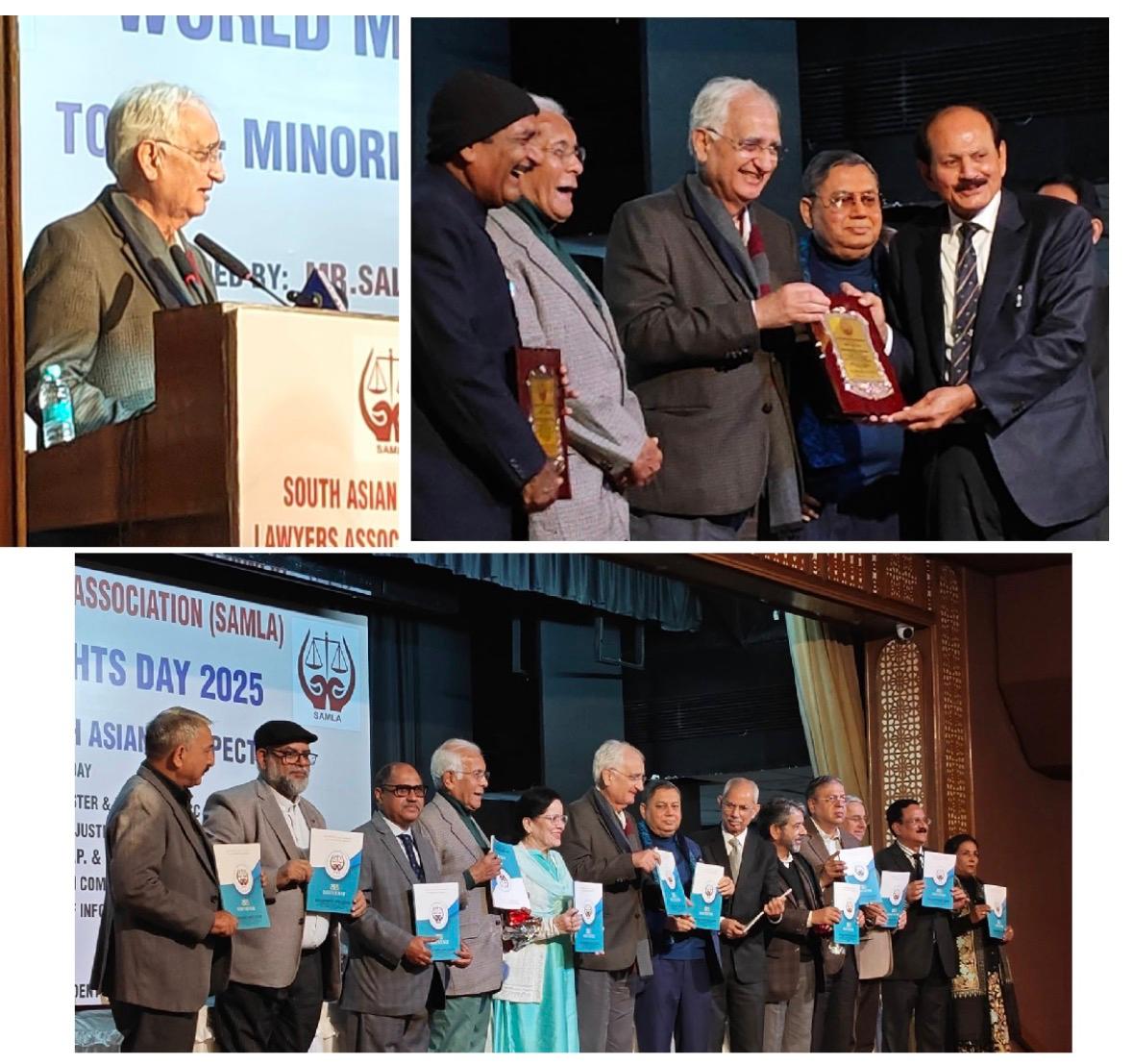
Watch on YouTube
News Coverage – Radiance News
Gallery
Loading...
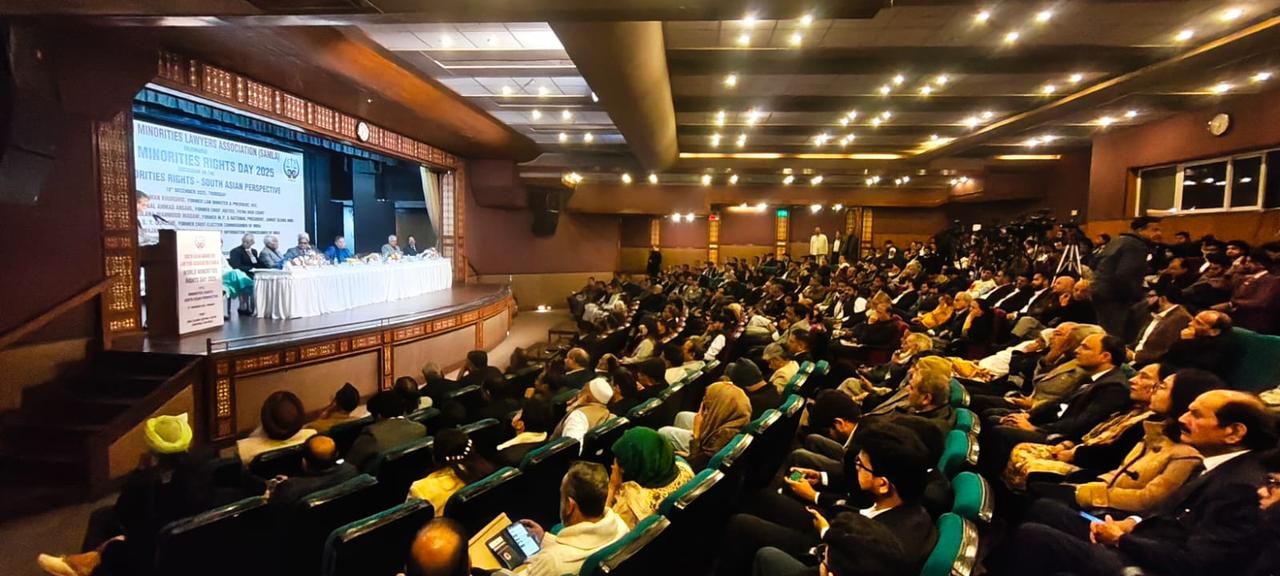
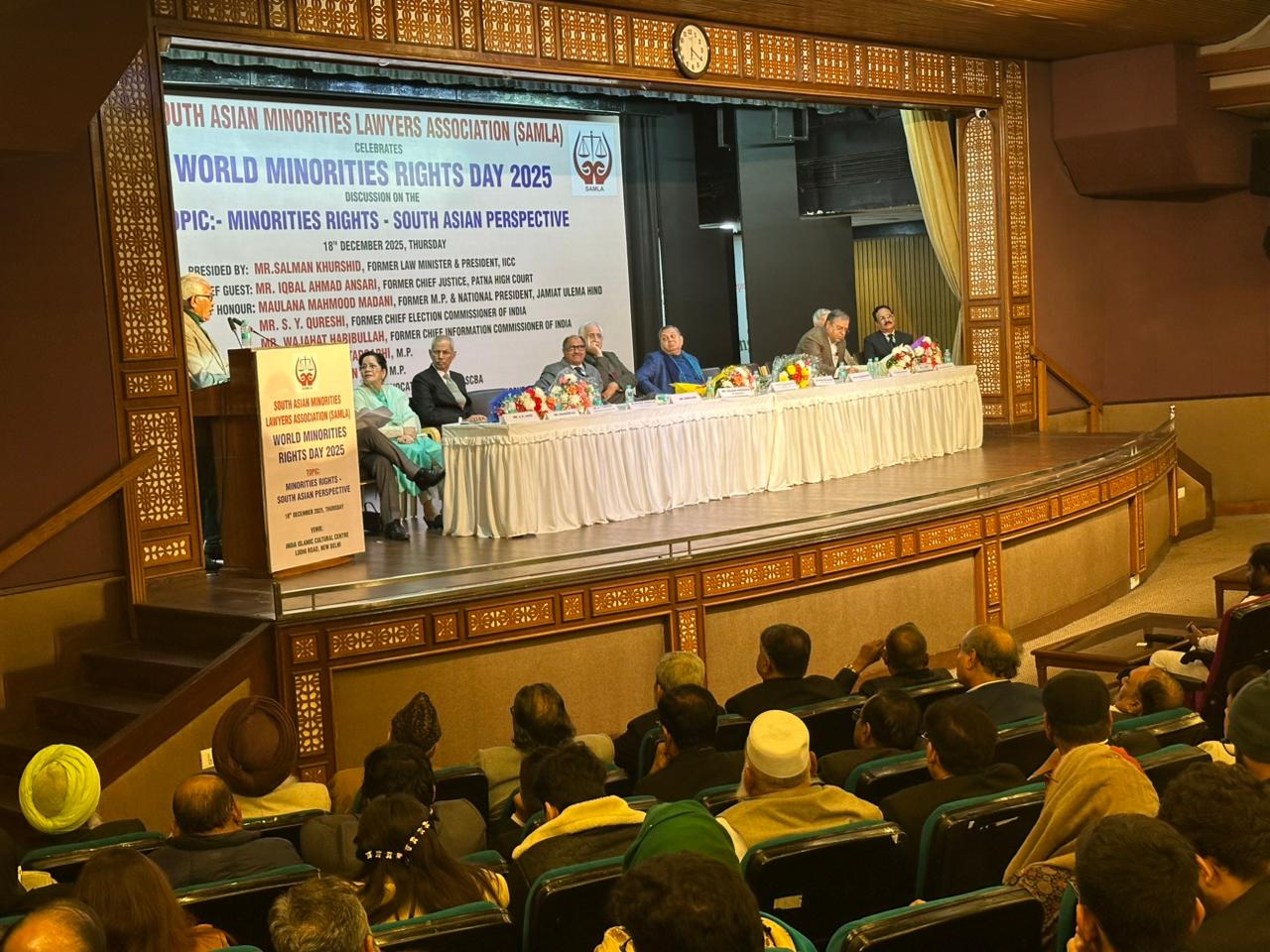
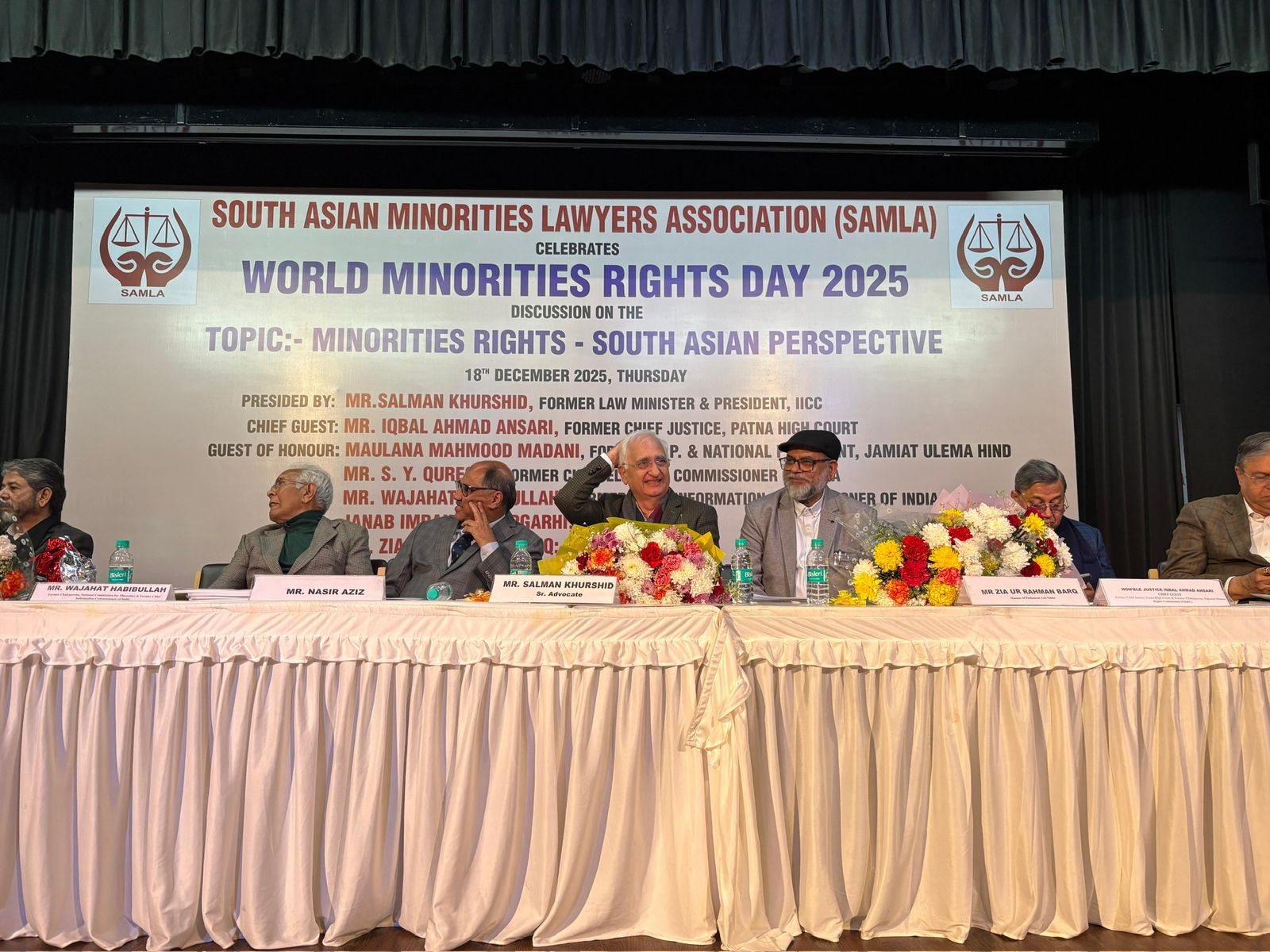
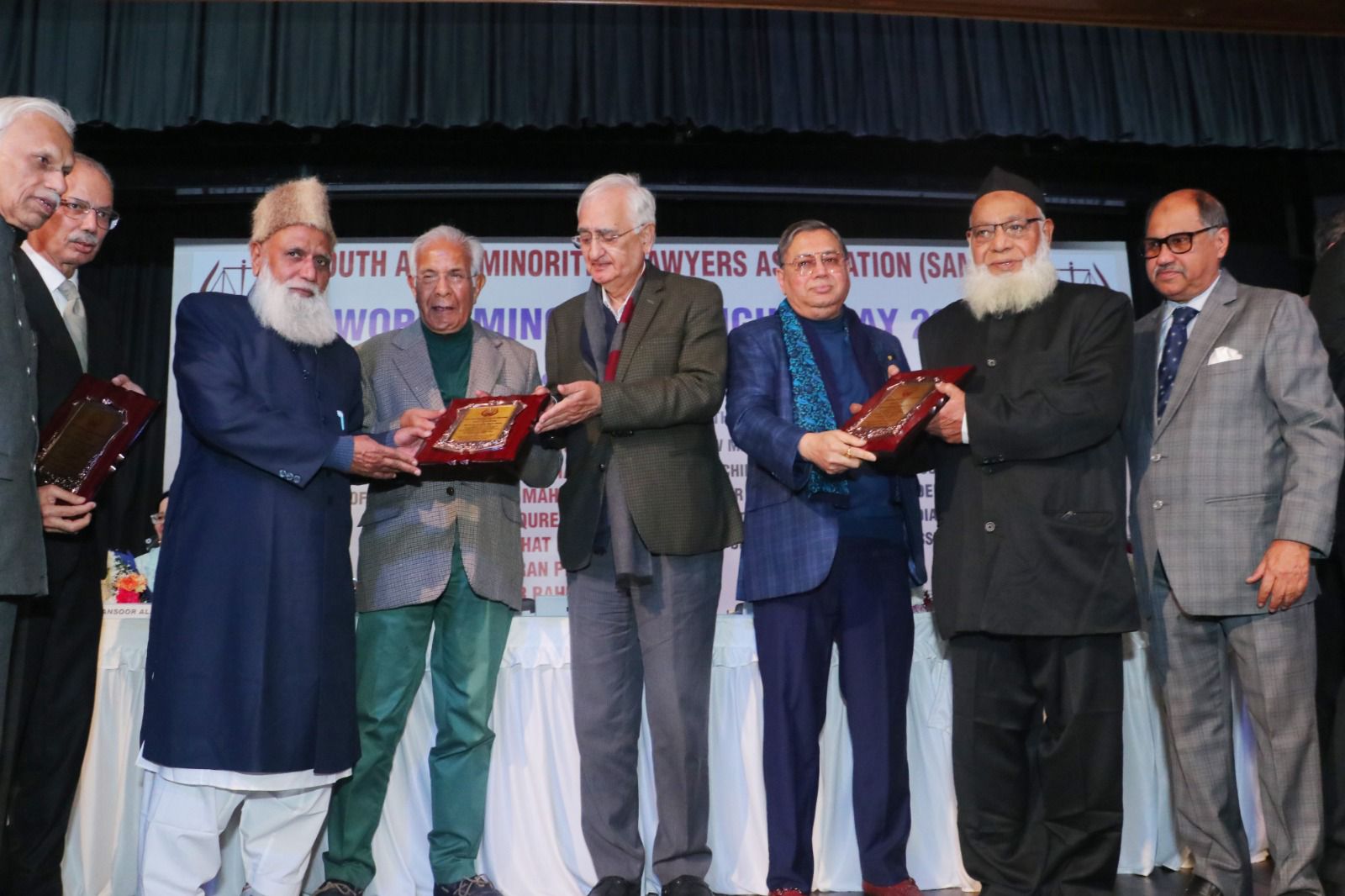
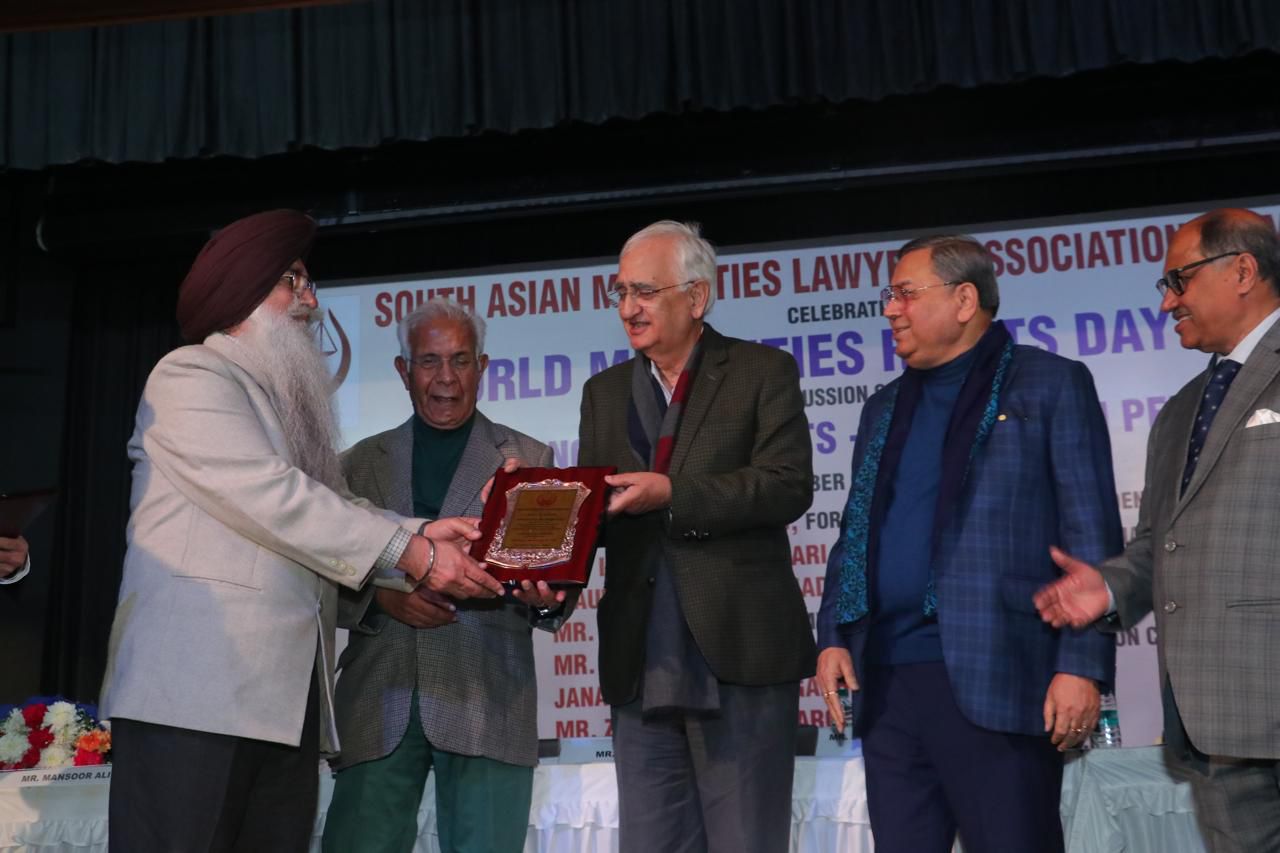
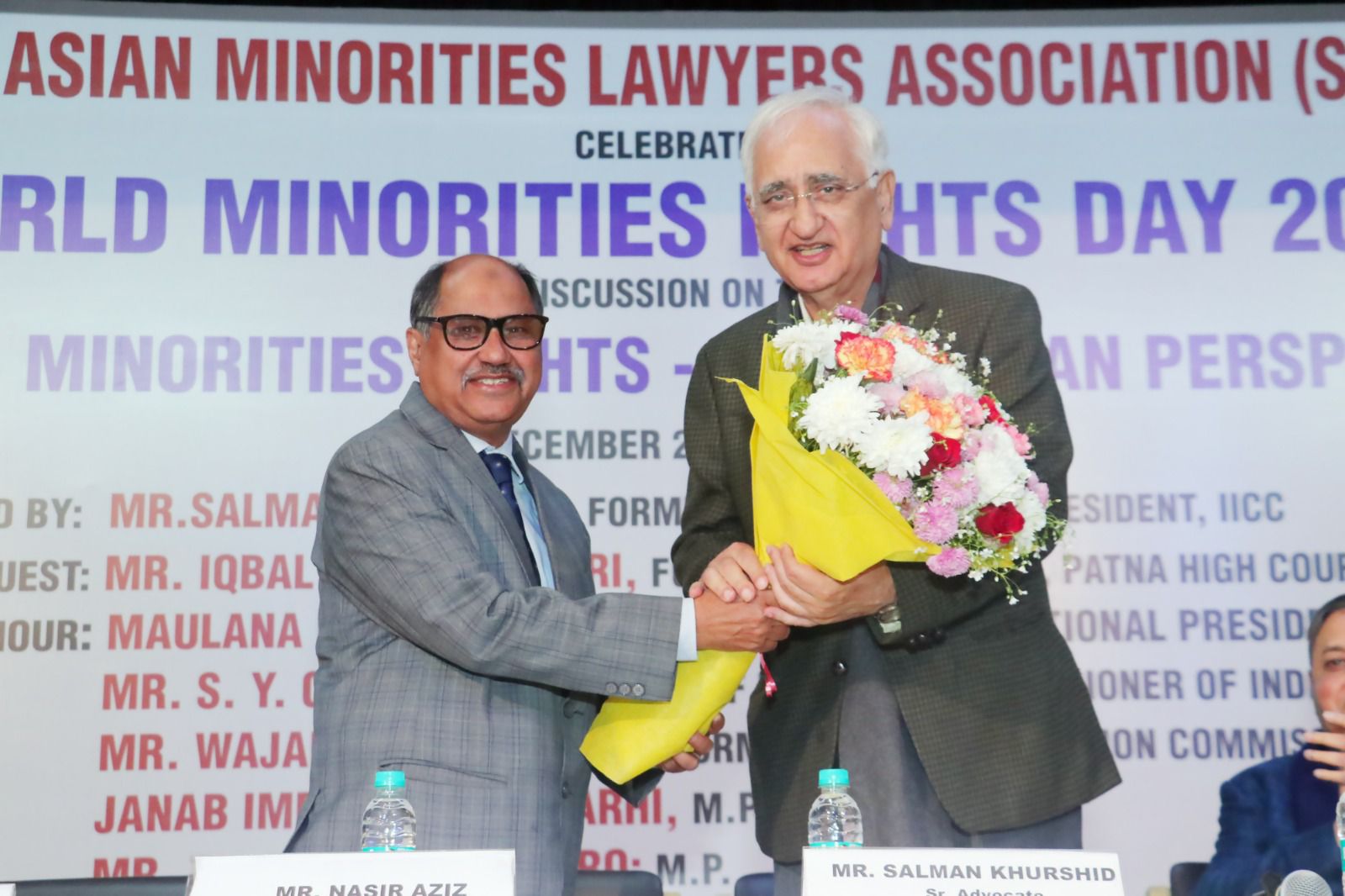
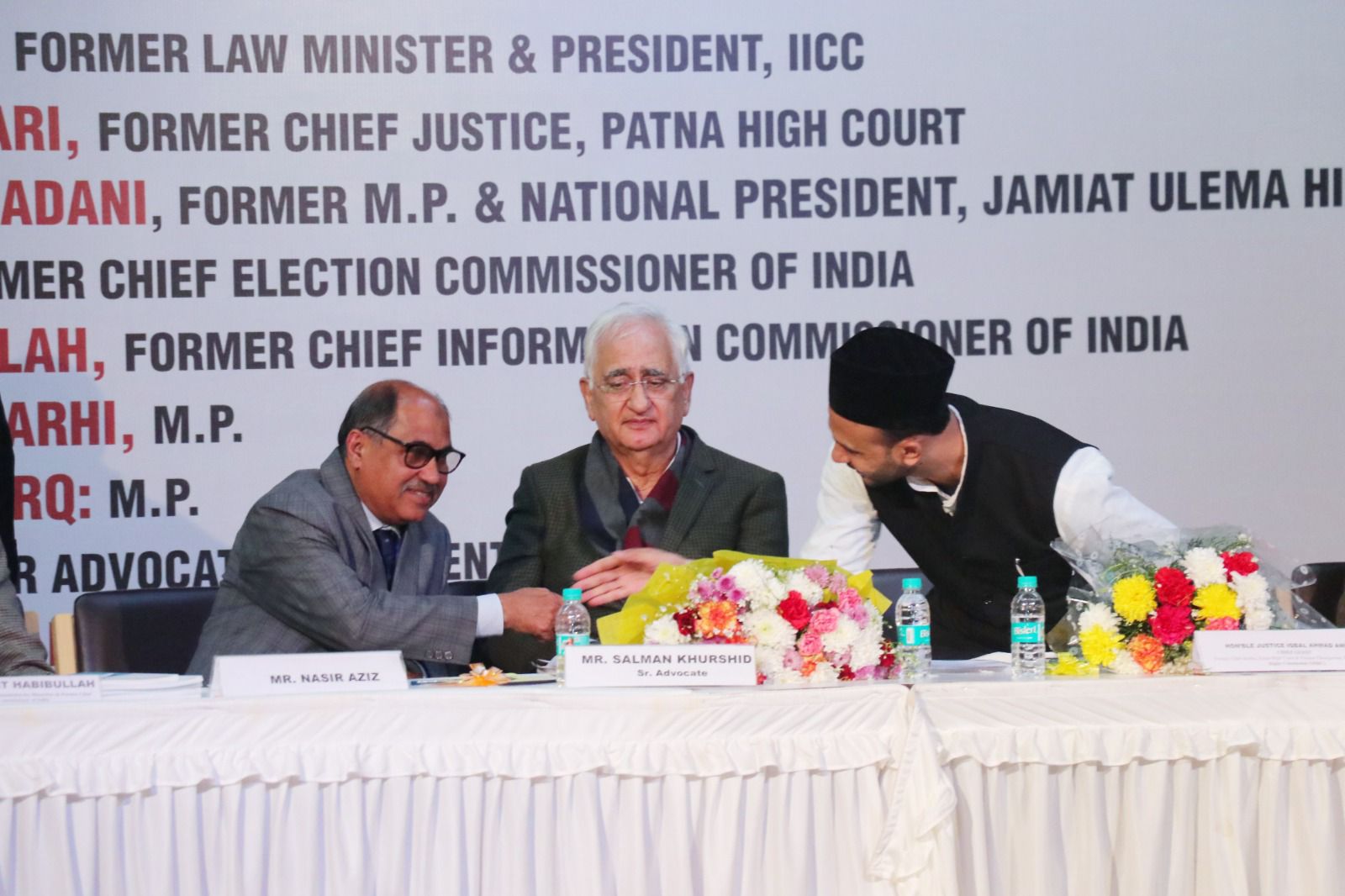
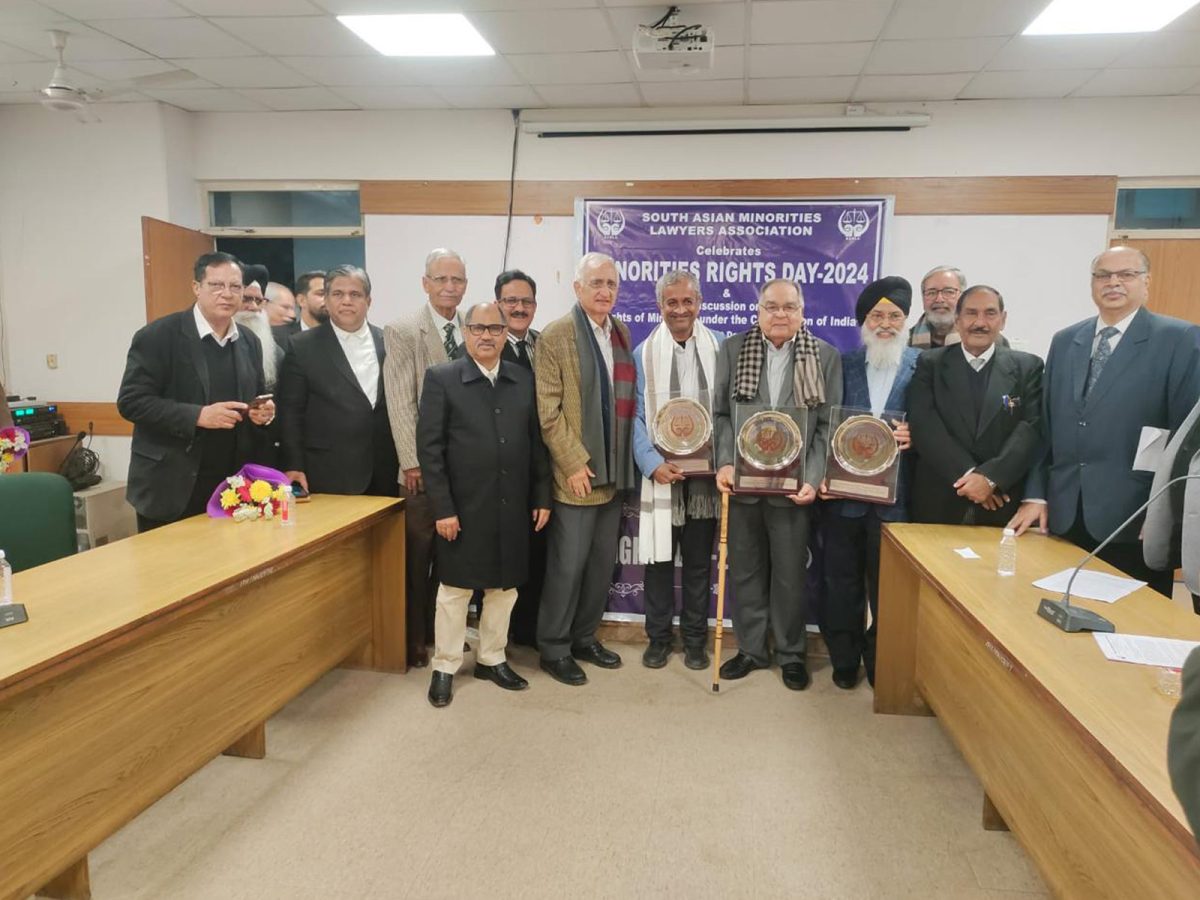
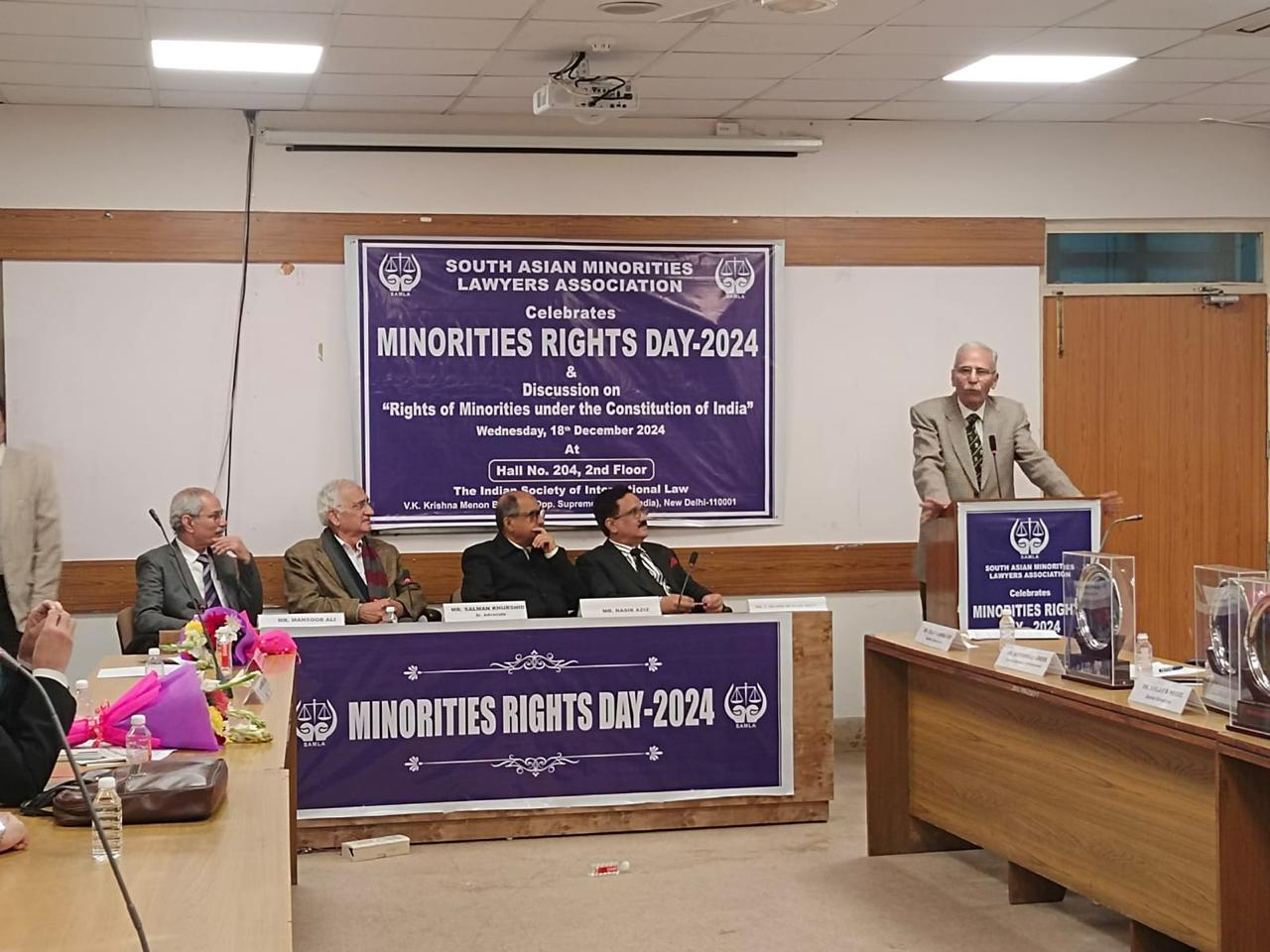
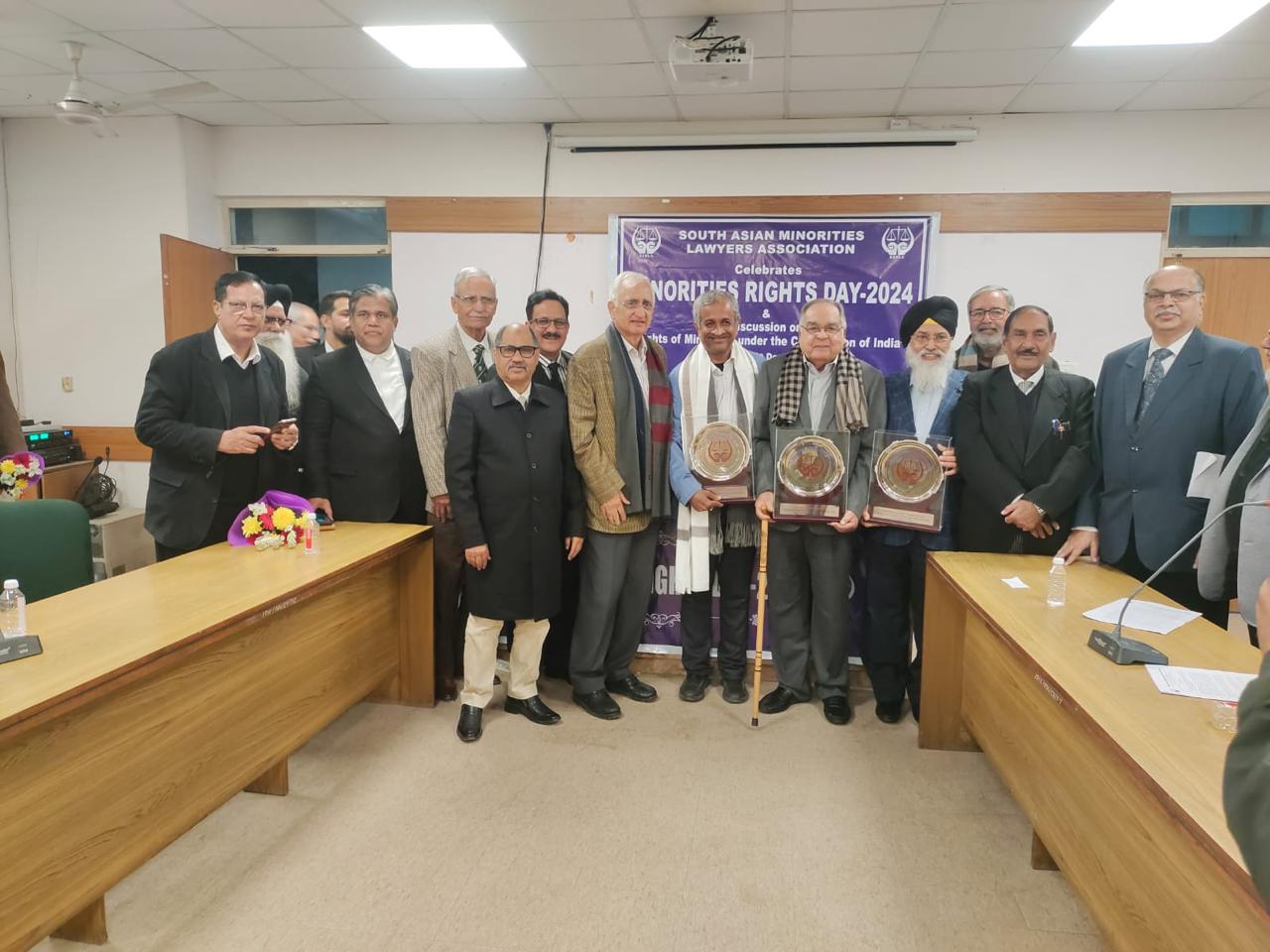
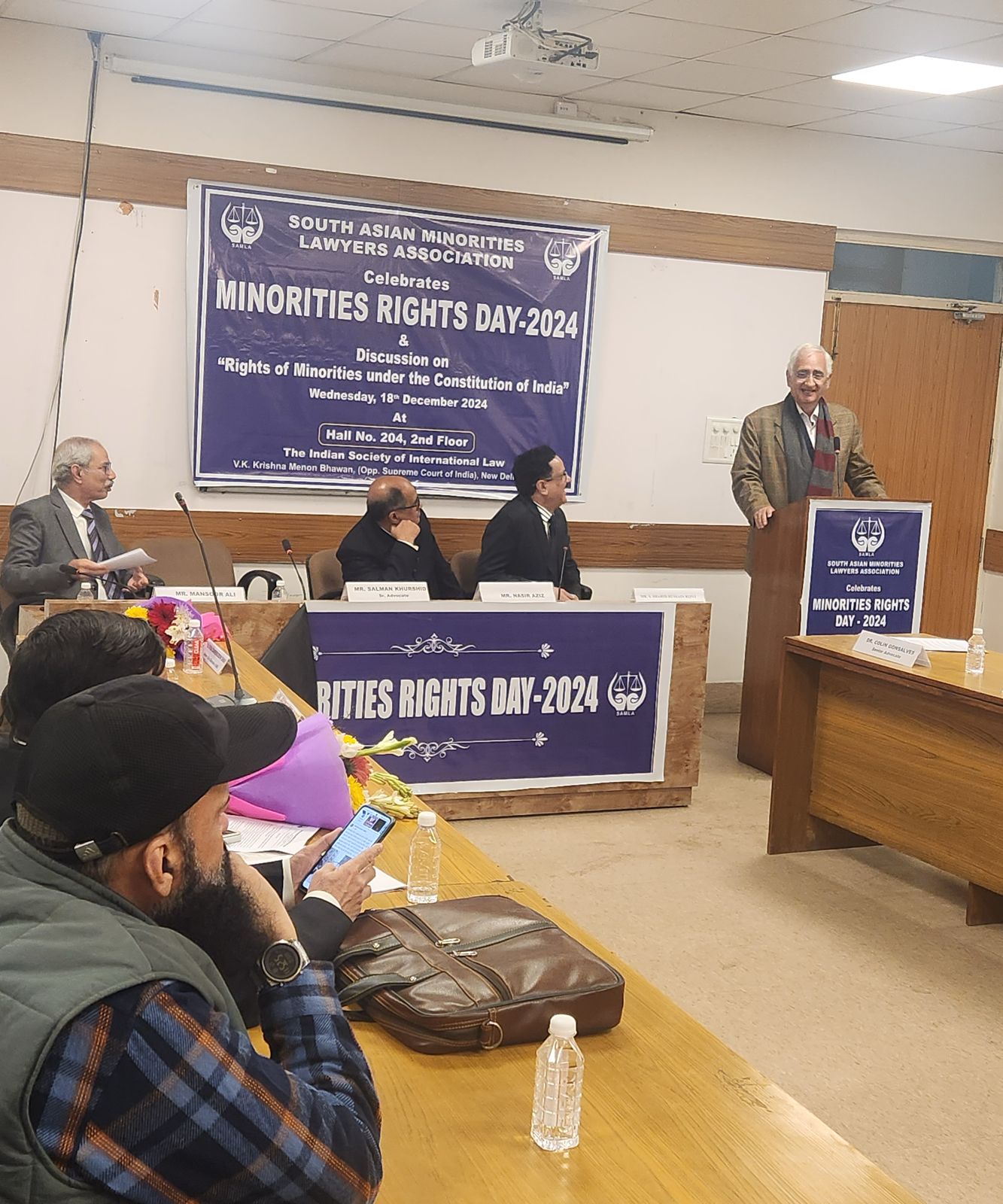
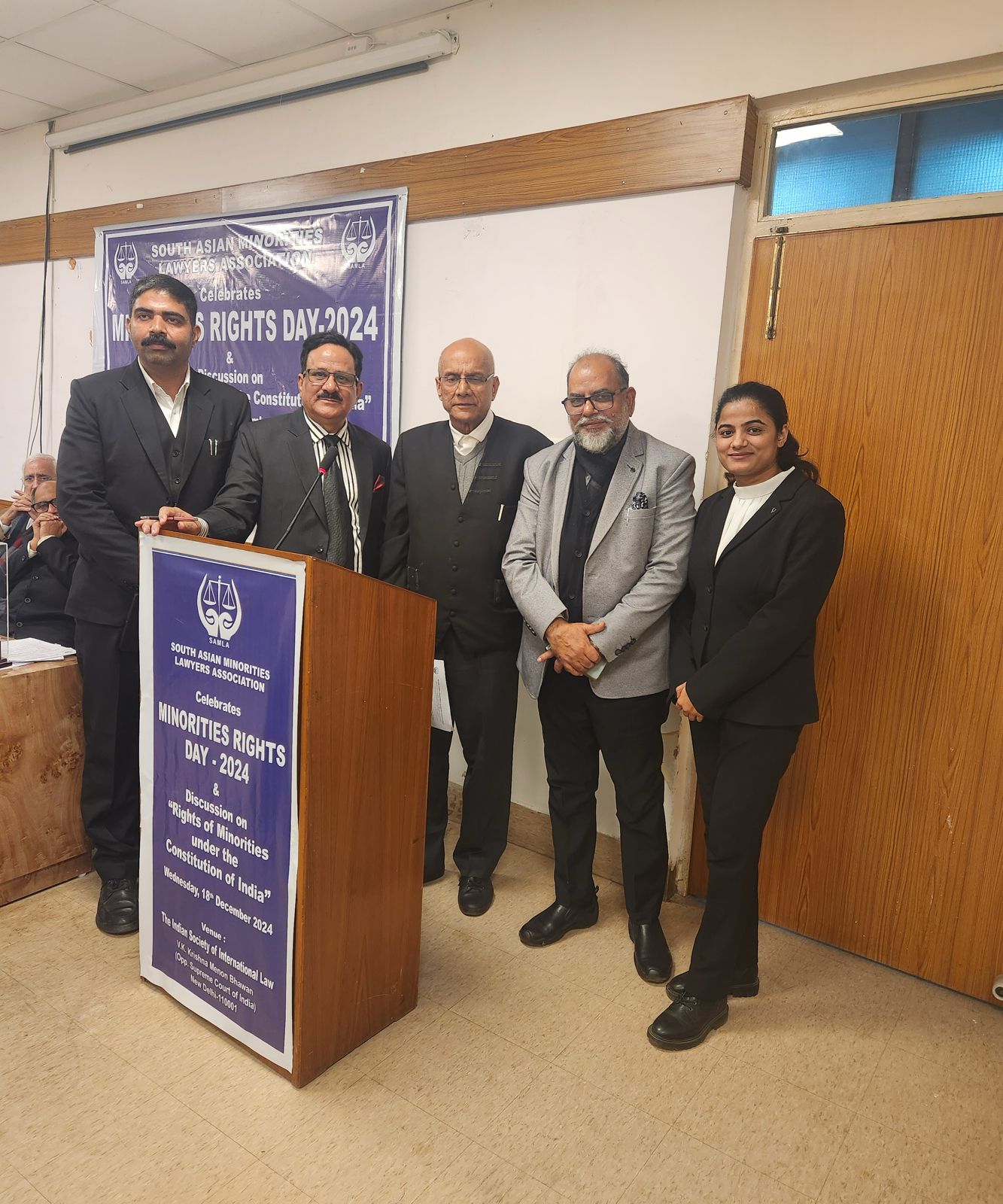
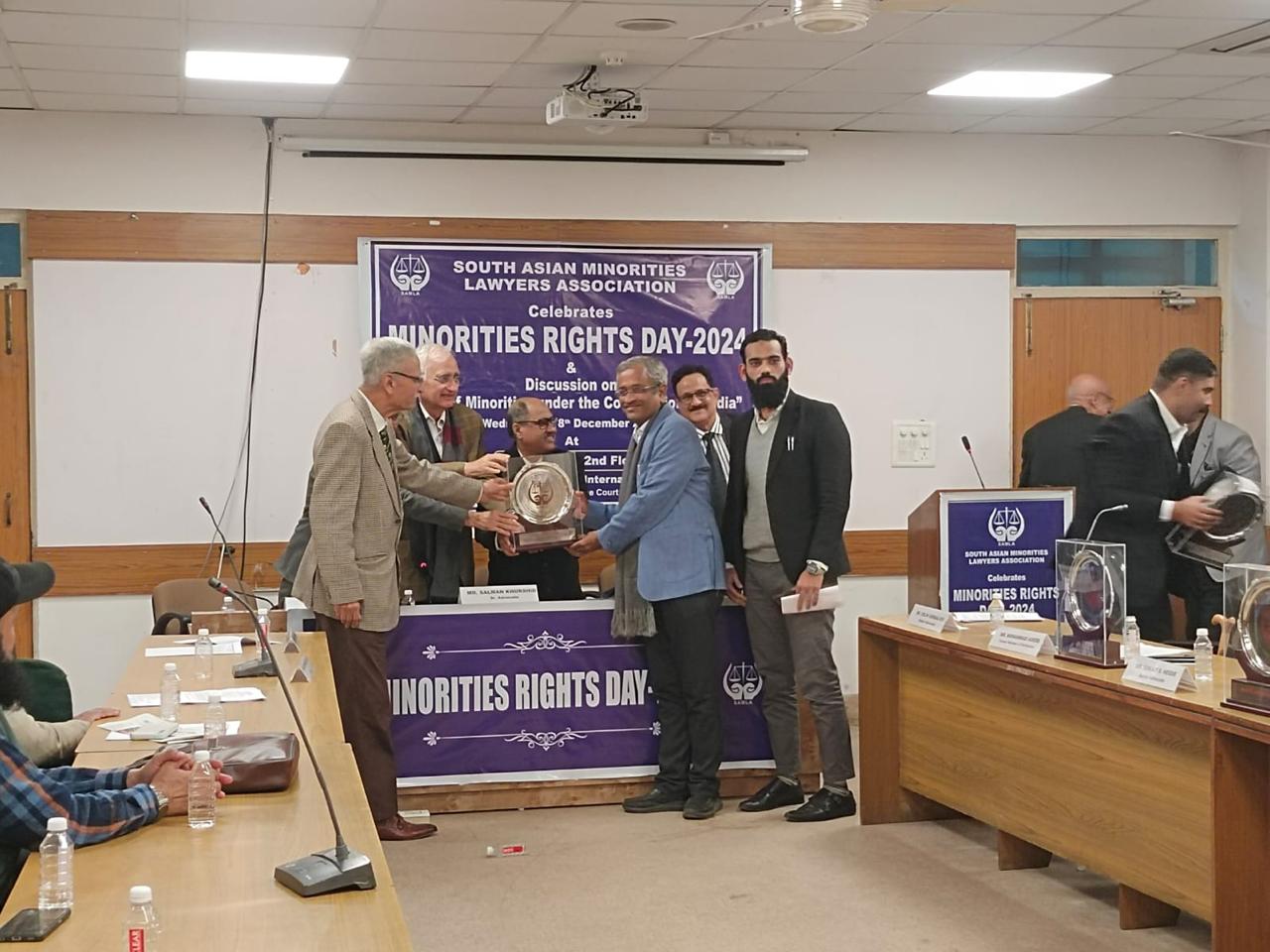
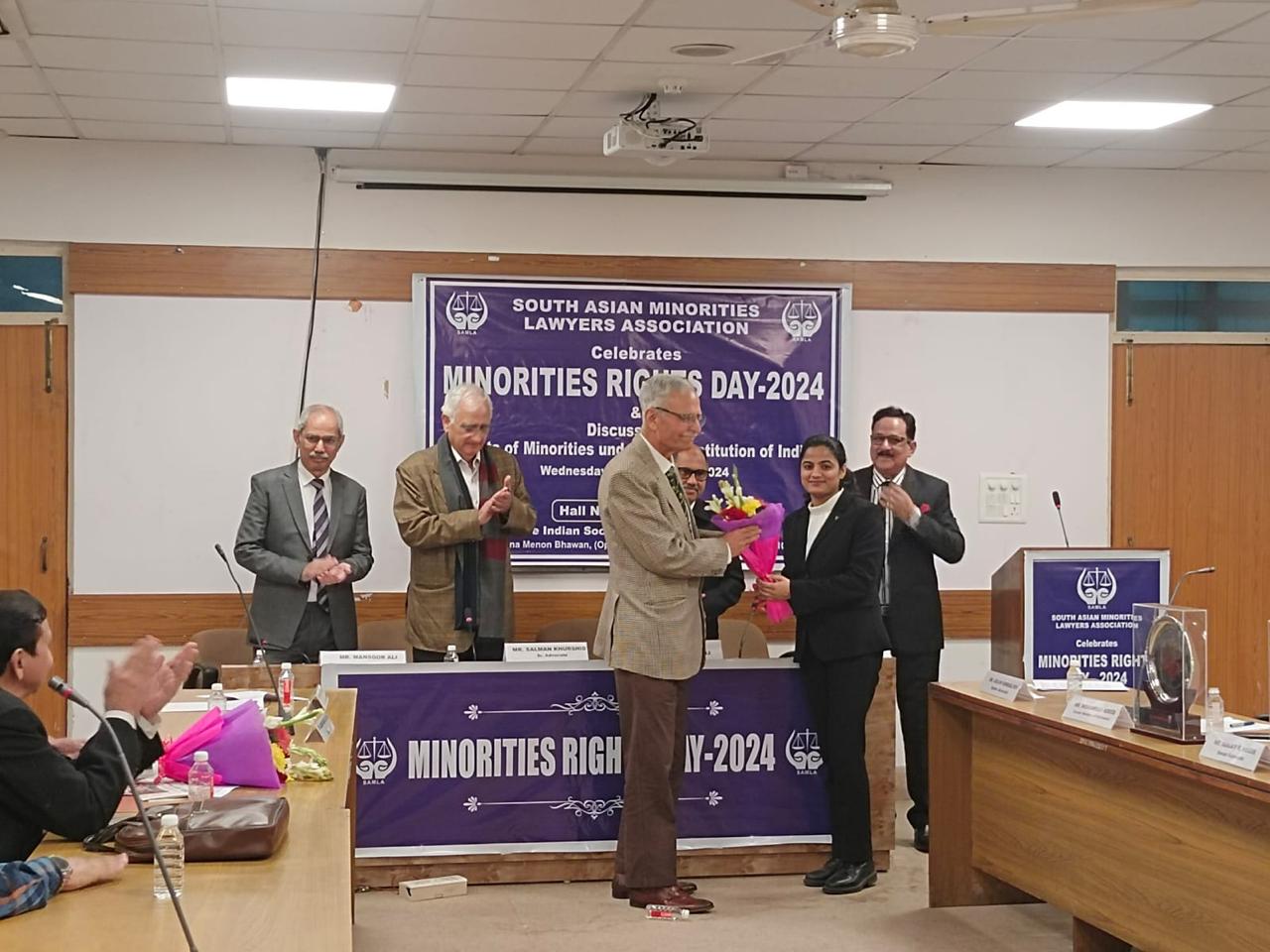
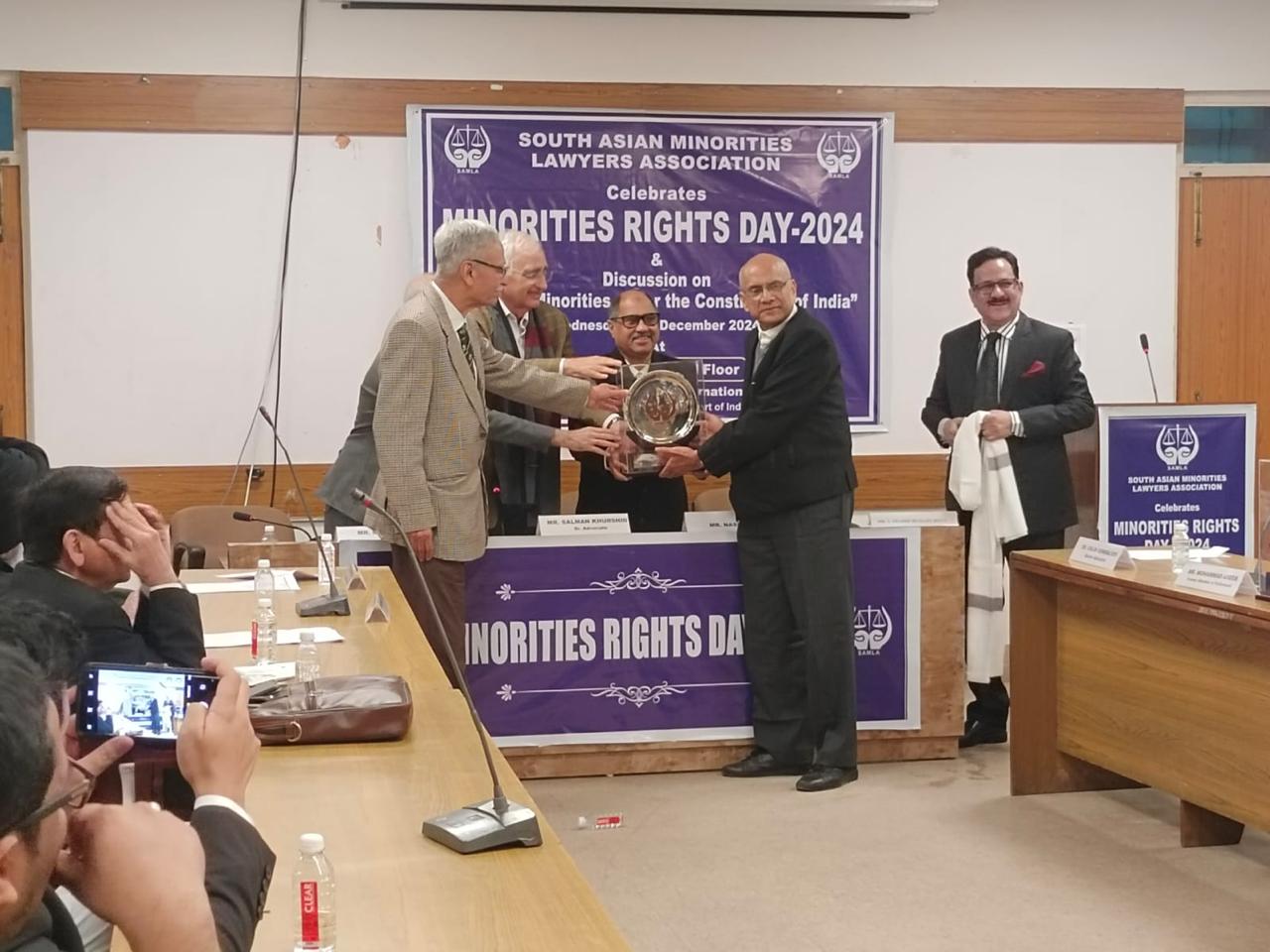
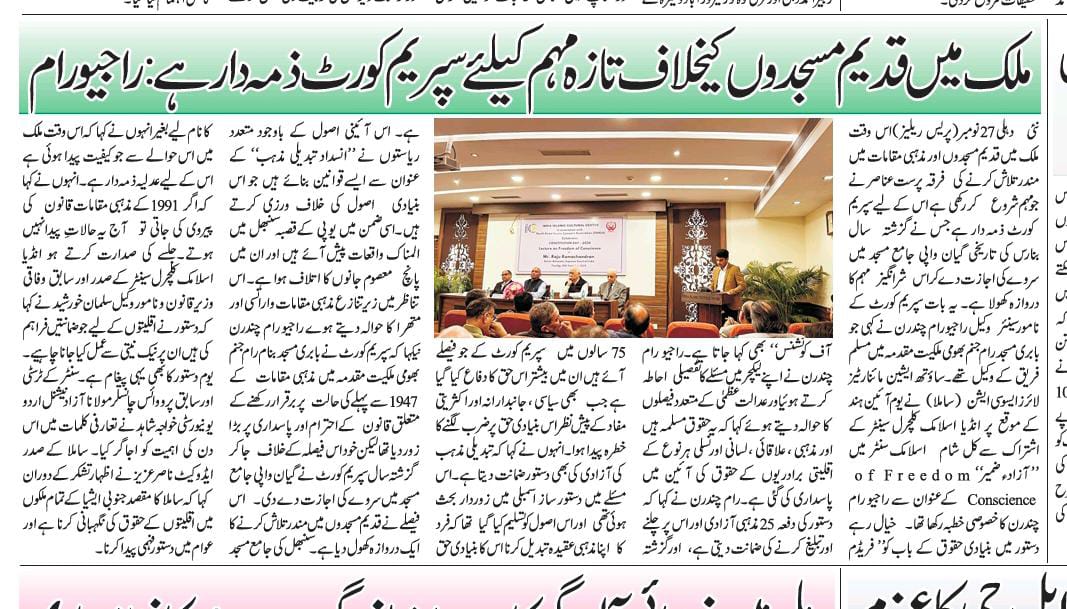
Subject: Resolution of South Asian Minorities Lawyers Association ( SAMLA) on the Observance and Protection of Minority Rights on Minorities Rights Day on December 18, 2024
Whereas the United Nations on 18th December 1992, adopted and proclaimed the declaration on the Rights of Persons belonging to National or Ethnic, Religious or Linguistic Minorities. The Declaration underscores the need to respect, preserve and protect the cultural, religious, linguistic and national identities of minority groups, both at the State and individual levels. It also places a responsibility on the States to enhance the living conditions of minorities and actively promote awareness about their unique identities, ensuring their rights are safeguarded and valued. Since then 18th December every year is celebrated Minorities Rights Day all over the world.
Whereas India being the signatory of the Declaration observes Minorities Rights Day annually on 18th December to promote awareness about the rights of minority communities, acknowledge their contribution and work towards their protection and empowerment;
Whereas minorities, by virtue of their smaller numbers or differing beliefs, traditions, and practices, often face discrimination, marginalization, and violation of their fundamental rights in various parts of South Asia;
Whereas the observance of Minorities Rights Day serves as an important reminder of the need to recognize and address the concerns of minority groups, promoting social harmony, equality, and justice;
Whereas the South Asian Minorities Lawyers Association (SAMLA) acknowledges the rich diversity of South Asia, which is home to multiple religious, cultural, and linguistic communities, each contributing to the region’s vibrant social and cultural fabric;
Whereas many countries in South Asia have witnessed increasing incidents of religious intolerance, violence, and systematic persecution of minority communities, including but not limited to Hindus, Muslims, Sikhs, Christians, Jains, Buddhists, and others, which has led to a violation of their basic human rights;
Whereas in Bangladesh, Hindus are facing systemic discrimination and are subjected to unfair treatment and punishment. Religious minorities such as Christians, Hindus and Ahmadias continuously face violence and discrimination in Pakistan and in Afghanistan, the Baha’i faith has been officially condemned as blasphemy, rendering its followers vulnerable to persecution
Whereas in India, religious minorities often face persecution at the hands of the dominant majority across various levels, whether in the protection of their educational institutions, religious places, ethnic identities or even in their dietary practices. In recent years, the country has witnessed a surge in “hate speech” and the rise of the so-called “liberation of religious places” movement, predominantly led by the majority community. Tragically, these orchestrated movements have led to the loss of many innocent lives. However, thanks to the timely intervention of the Hon’ble Supreme Court which has given quietus to the issues and further loss of life and destruction of property has been averted.
Whereas SAMLA affirms that the rights of minorities to life, dignity, security, cultural identity, and religious freedom must be upheld as part of the broader commitment to human rights and democratic values;
Now, therefore, be it resolved that:


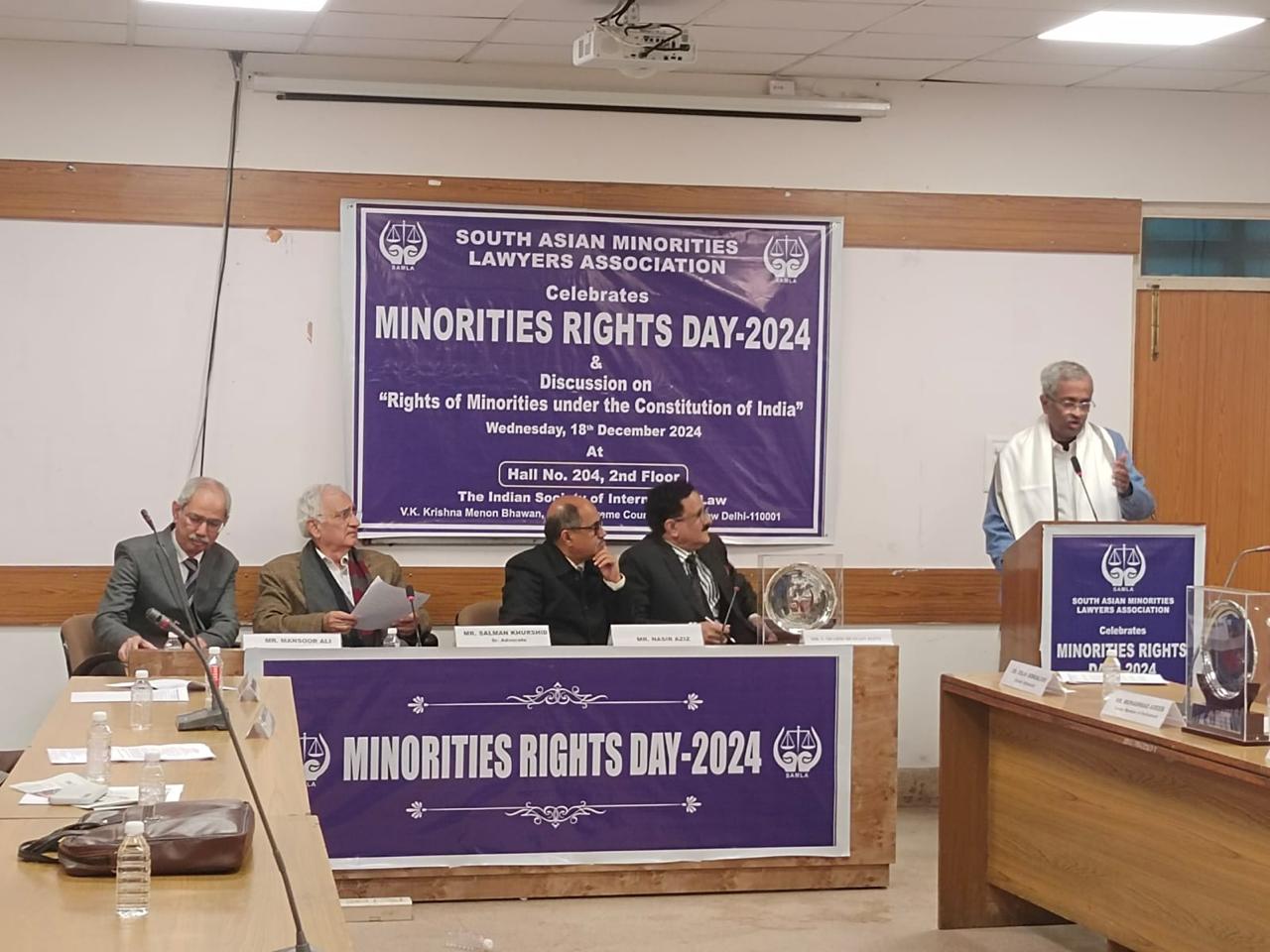
پریس نوٹ
برائے اشاعت

ملک میں قدیم مسجدوں کے خلاف تازہ مہم کے لیے سپریم کورٹ ذمہ دار ہے: سینئر ایڈوکیٹ راجیو رام چندر ن
نئی دہلی: اسوقت ملک میں قدیم مسجدوں اور مذہبی مقامات میں مندر تلاش کرنے کی فرقہ پرست عناصر نے جومہم شروع کر رکھی ہے اس کے لیے سپریم کورٹ ذمہ دار ہےجس نے گزشتہ سال بنارس کی تاریخی گیان واپی جامع مسجد میں سروے کی اجازت دے کر اس شر انگیز مہم کا دروازہ کھولا ہے۔ یہ بات سپریم کورٹ کے نامور سینئر وکیل راجیو رام چندر ن نے کہی جو بابری مسجد رام جنم بھومی ملکیت مقدمہ میں مسلم فریق کے وکیل تھے۔
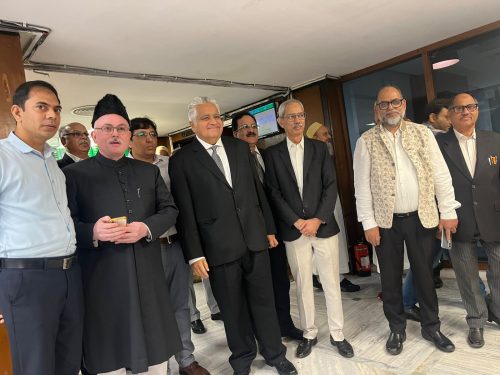
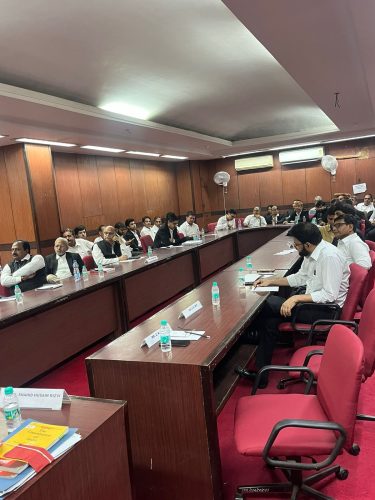
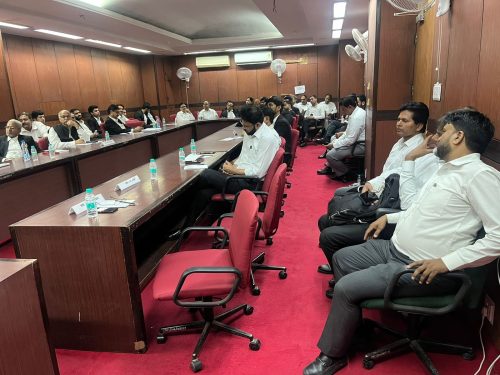
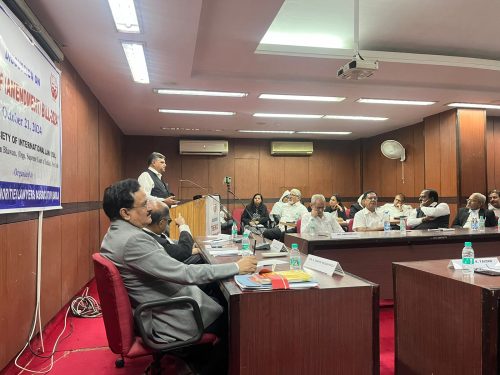
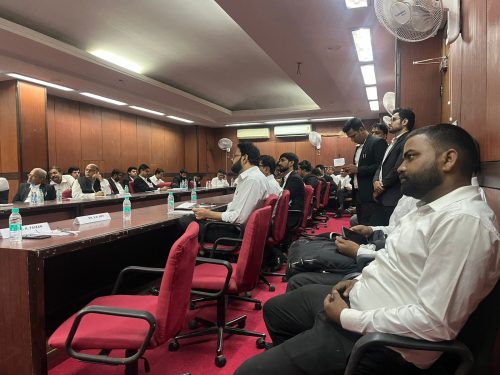
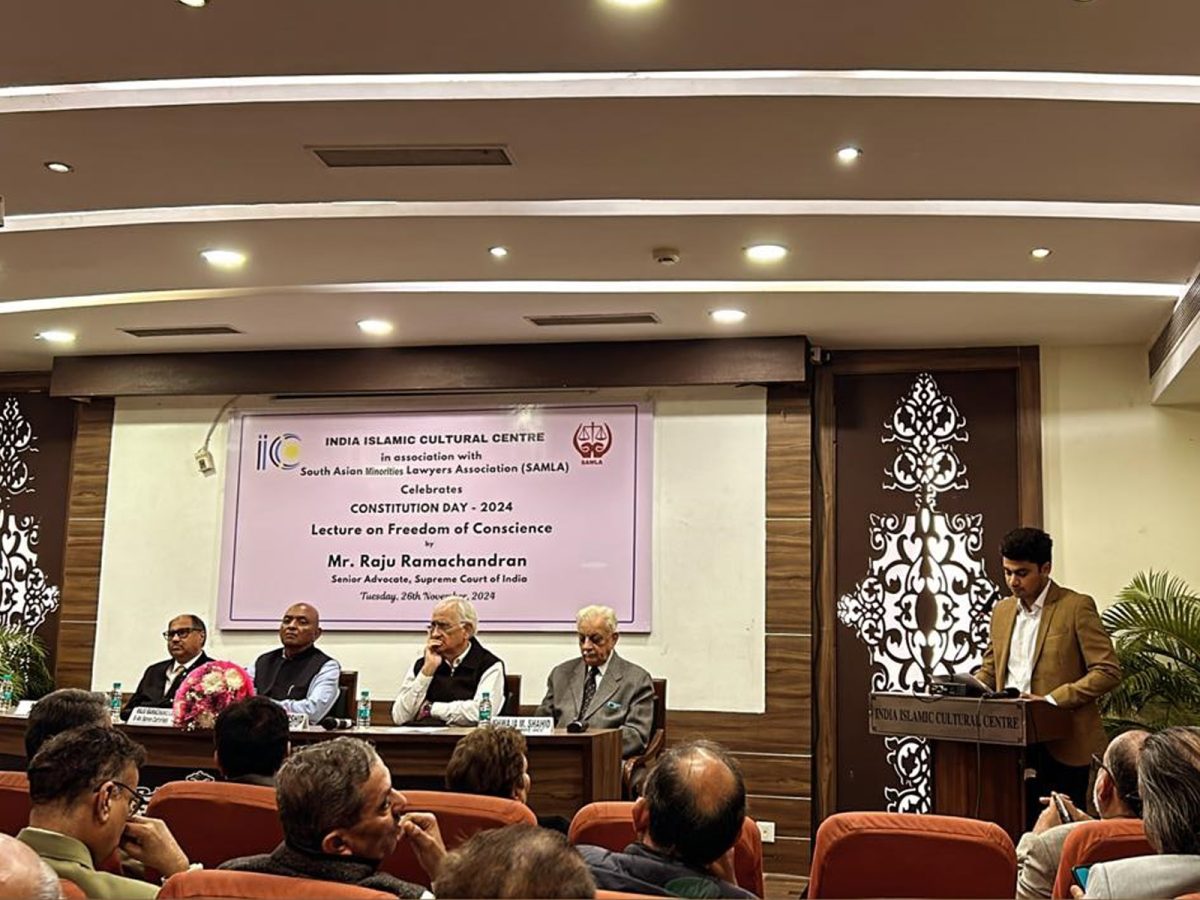
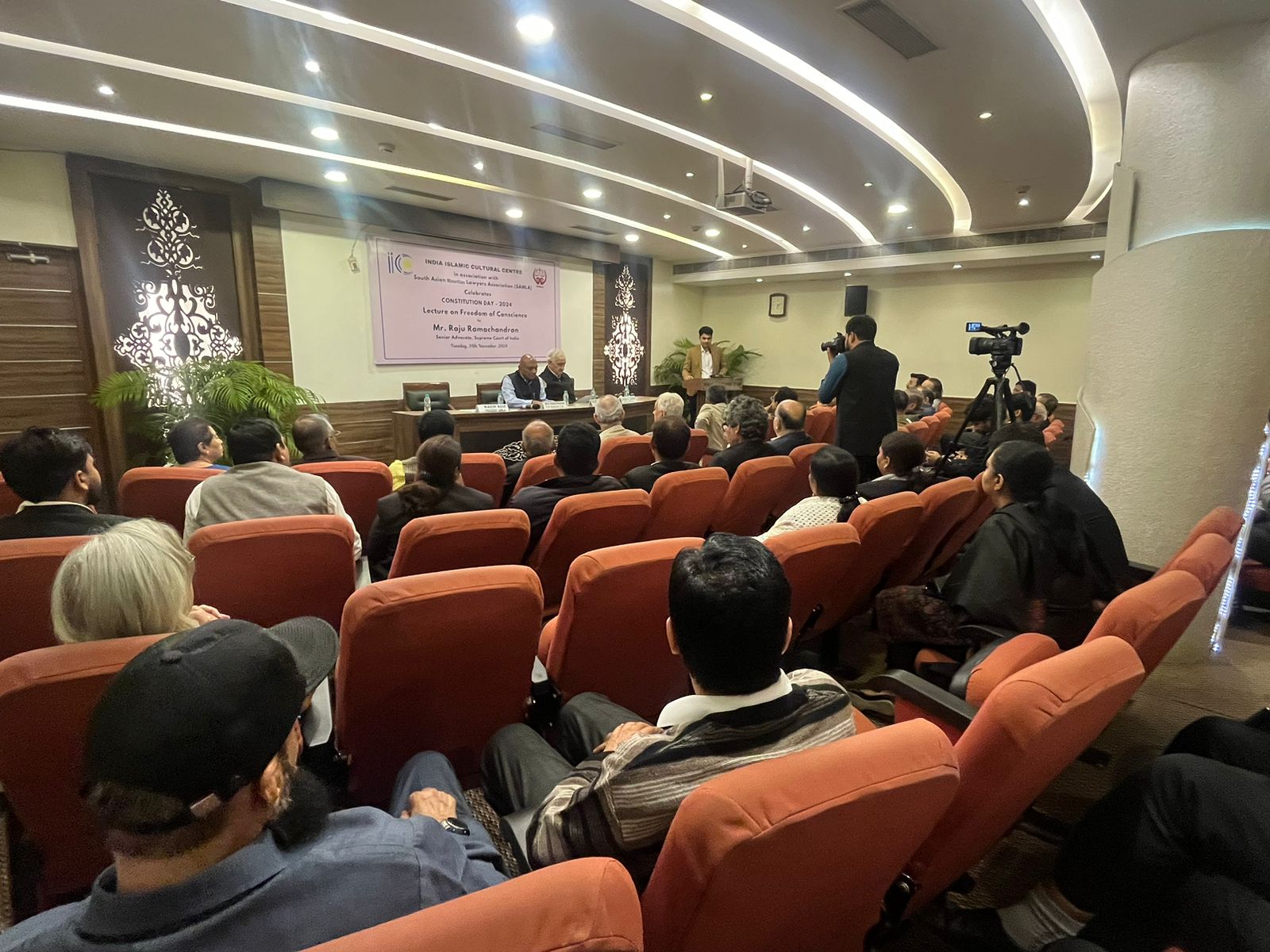
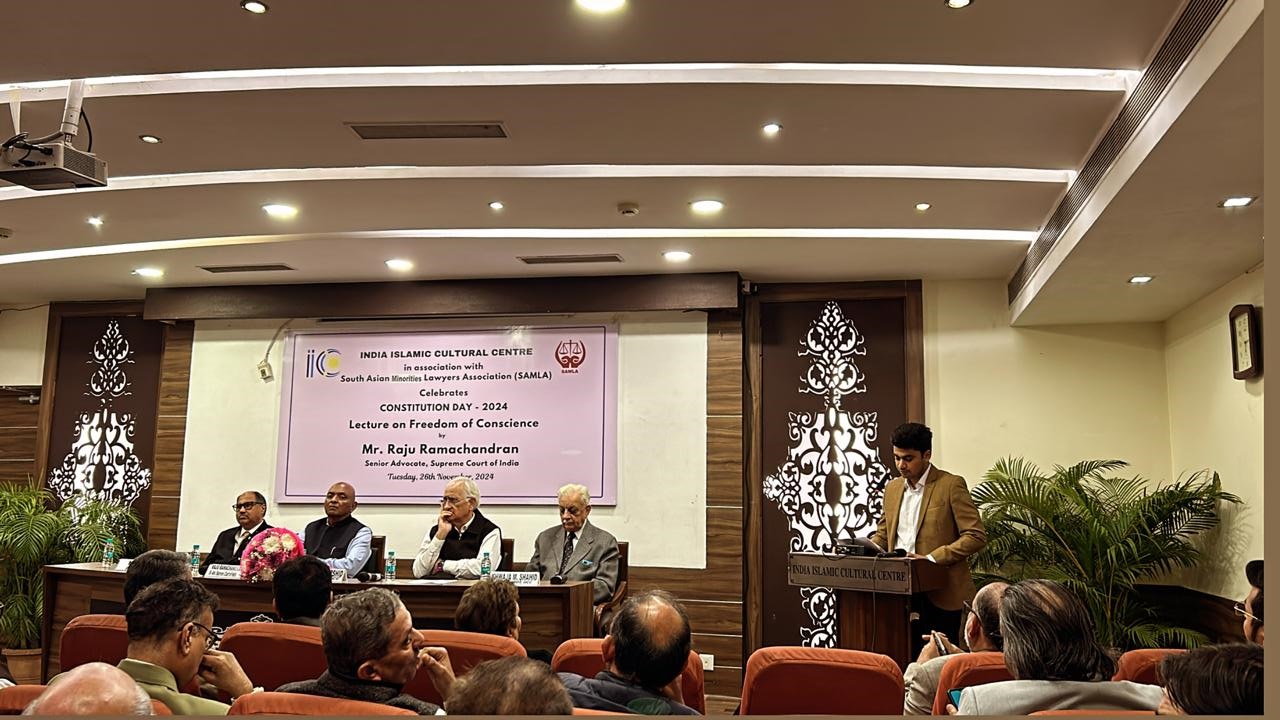
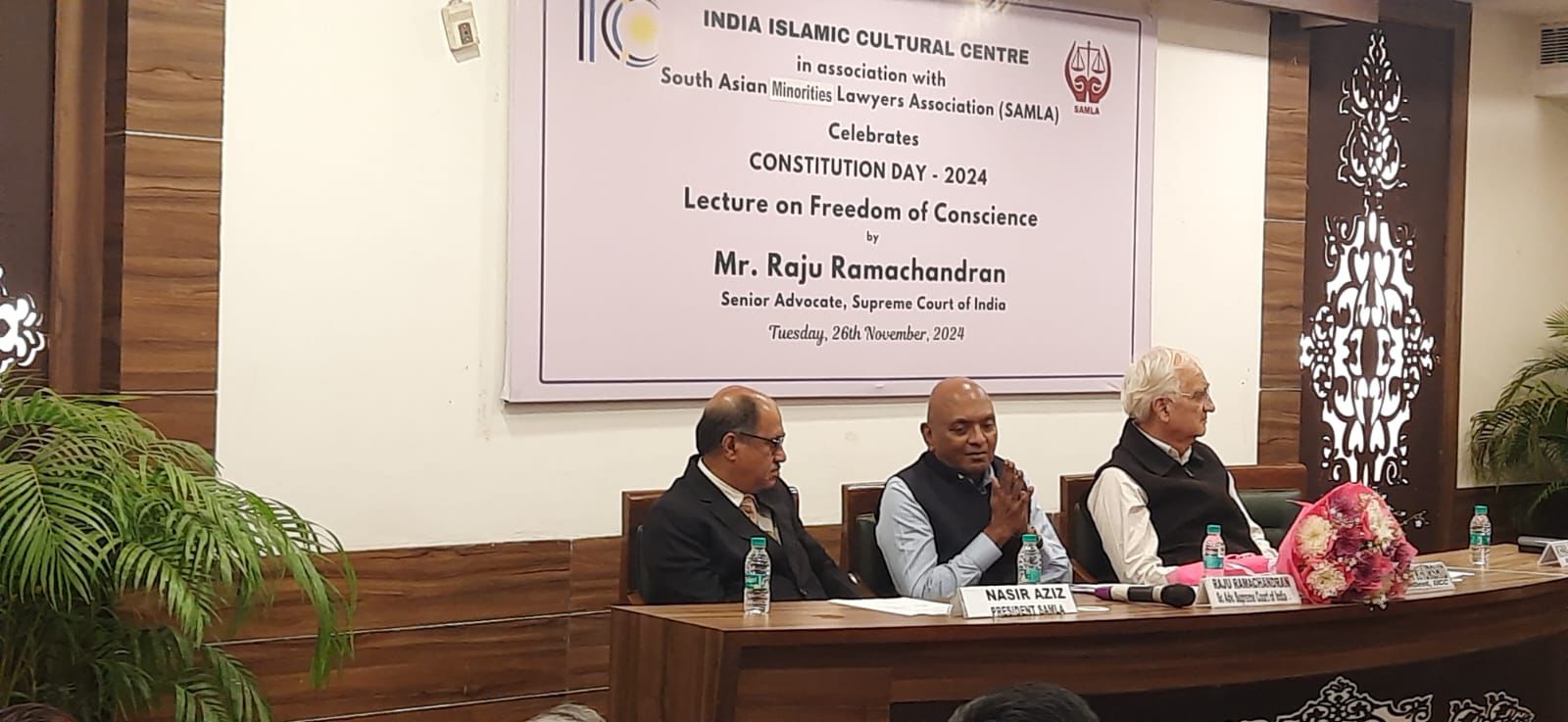
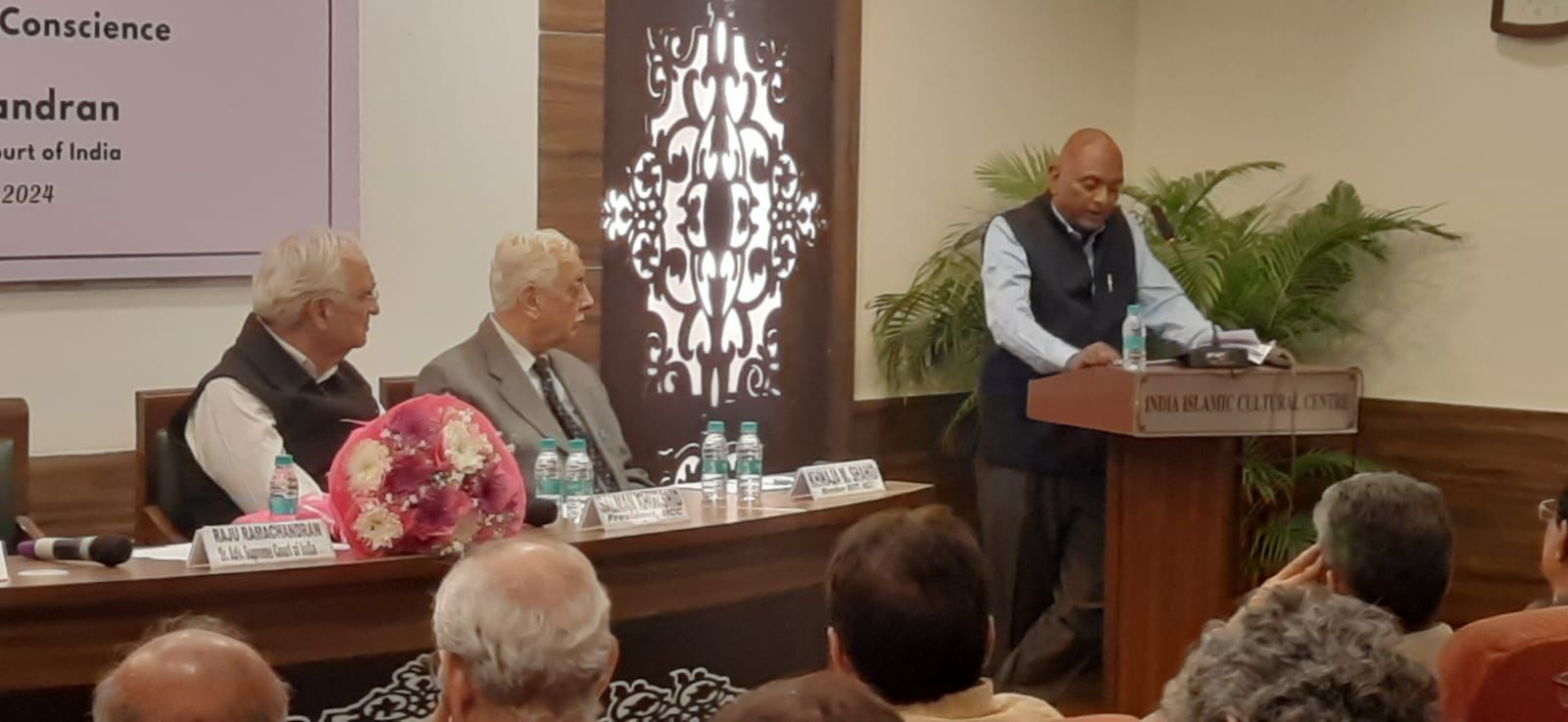
ساؤتھ ایشین مائنارٹیز لائرز ایسوسی ایشن ( ساملا) نے یوم آئین ہند کے موقع پر انڈیا اسلامک کلچرل سینٹر کے اشتراک سے کل شام اسلامک سنٹر میں ’’آزادئٔ ضمیر‘‘Freedom of Conscience کے عنوان سے راجیو رام چندرن کا خصوصی خطبہ رکھا تھا۔ خیال رہے دستور میں بنیادی حقوق کے باب کو’’ فریڈم آف کونشنس‘‘ بھی کہا جاتا ہے۔

راجیو رام چندرن نے اپنے لیکچر میں مسئلے کا تفصیلی احاطہ کرتے ہوئےاور عدالت عظمیٰ کے متعدد فیصلوں کا حوالہ دیتے ہوئے کہاکہ یہ حقوق مسلمہ ہیں اور مذہبی ، علاقائی ، لسانی اور نسلی ہر نوع کے اقلیتی برادریوں کے حقوق کی آئین میں پاسداری کی گئی ہے۔

رام چندرن نے کہا کہ دستور کی دفعہ 25 مذہبی آزادی اور اس پر چلنے اور تبلیغ کرنے کی ضمانت دیتی ہے ، اور گزشتہ 75 سالوں میں سپریم کورٹ کے جو فیصلے آئے ہیں ان میں بیشتر اس حق کا دفاع کیا گیا ہے جب بھی سیاسی ، جانبدار انہ اور اکثریتی مفاد کے پیش نظر اس بنیادی حق پر ضرب لگنے کا خطرہ پیدا ہوا۔

انہوں نے کہا کہ تبدیلیٔ مذہب کی آزادی کی بھی دستور ضمانت دیتا ہے ۔اس مسئلے میں دستور ساز اسمبلی میں زوردار بحث ہوئی تھی اور اس اصول کو تسلیم کیا گیا تھا کہ فرد کا اپنا مذہبی عقیدہ تبدیل کرنا اس کا بنیادی حق ہے۔ اس آئینی اصول کے باوجود متعدد ریاستوں نے ’’انسداد تبدیلی مذہب‘‘ کے عنوان سے ایسے قوانین بنائے ہیں جو اس بنیادی اصول کی خلاف ورزی کرتے ہیں۔

اسی ضمن میں یوپی کے قصبہ سنبھل میں المناک واقعات پیش آئے ہیں اور ان میں پانچ معصوم جانوں کا اتلاف ہوا ہے۔ اس تناظر میں زیر تنازع مذہبی مقامات وارانسی اور متھرا کا حوالہ دیتے ہوے راجیو رام چندرن نےکہاکہ سپریم کورٹ نے بابری مسجد بنام رام جنم بھومی ملکیت مقدمہ میں مذہبی مقامات کے 1947سے پہلے کی حالت پر برقرار رکھنے کے متعلق قانون کے احترام اور پاسداری پر بڑا زور دیا تھا لیکن خود اس فیصلہ کے خلاف جاکر گزشتہ سال سپریم کورٹ نے گیان واپی جامع مسجد میں سروے کی اجازت دے دی ۔ اس فیصلے نے قدیم مسجدوں میں مندر تلاش کرنے کا ایک دروازہ کھول دیا ہے۔ سنبھل کی جامع مسجد کا نام لیے بغیر انہوں نے کہا کہ اس وقت ملک میں اس حوالے سے جو کیفیت پیدا ہوئی ہے اس کے لیے عدلیہ ذمہ دار ہے ۔ انہوں نے کہا کہ اگر 1991کے مذہبی مقامات قانون کی پیروی کی جاتی تو آج یہ حالاتِ پیدا نہیں ہوتے۔

جلسے کی صدارت کرتے ہوۓ انڈیا اسلامک کلچرل سینٹر کے صدر اور سابق وفاقی وزیر قانون و نامور وکیل سلمان خورشید نے کہا کہ دستور نے اقلیتوں کے لیے جو ضمانتیں فراہم کی ہیں ان پر نیک نیتی سے عمل کیا جانا چاہیے ۔ یوم دستور کا بھی یہی پیغام ہے۔

سنٹر کے ٹرسٹی اور سابق پرو وائس چانسلر مولانا آزاد نیشنل اردو یونیورسٹی خواجہ شاہد نے تعارفی کلمات میں اس دن کی اہمیت کو اجاگر کیا۔

ساملا کے صدر ایڈوکیٹ ناصر عزیز نے اظہار تشکر کے دوران کہا کہ ساملا کا مقصد جنوبی ایشیا کے تمام ملکوں میں اقلیتوں کے حقوق کی نگہبانی کرنا ہے اور عوام میں دستور فہمی پیدا کرنا۔

اس موقع پر سوال و جواب کی بھی نشست رہی ۔ کیا سپریم کورٹ اب شواہد کے بجائے آستھا کی بنیاد پر فیصلے دے رہی ہے؟ اس سوال کے جواب میں راجیو رام چندرن نے کہا کہ سپریم کورٹ میں 16عدالتیں ہیں جن میں بعض سختی سے دستور پر عمل کرتی ہیں اور بعض کم۔ جلسے کی نظامت ایڈوکیٹ فہیم ا حمد خان نے انجام دی جس میں وکلا کی ایک بڑی تعداد نے شرکت کی۔

جاری کردہ
ایڈوکیٹ فیروز خان غازی
سیکرٹری جنرل ساؤتھ ایشین ماءنارٹیز لاءیرس ایسوسی ایشن
موبائل: 9810920561

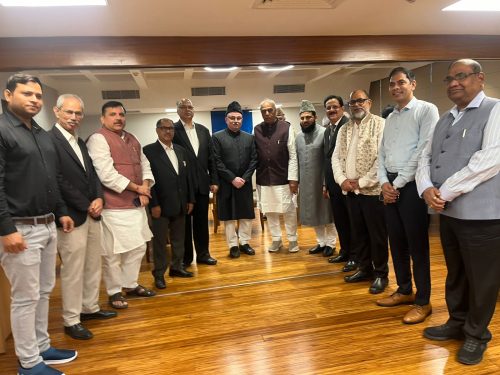
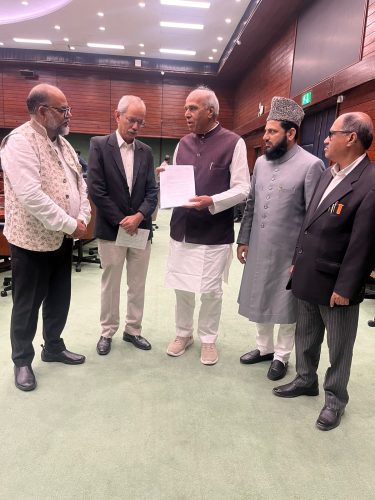
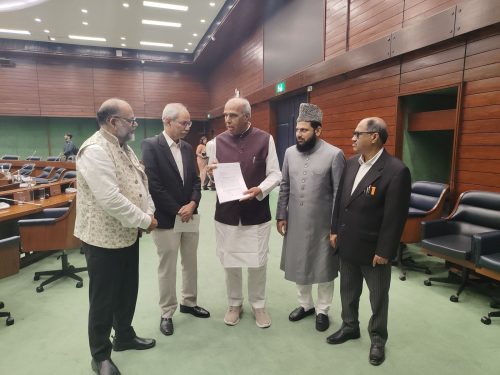
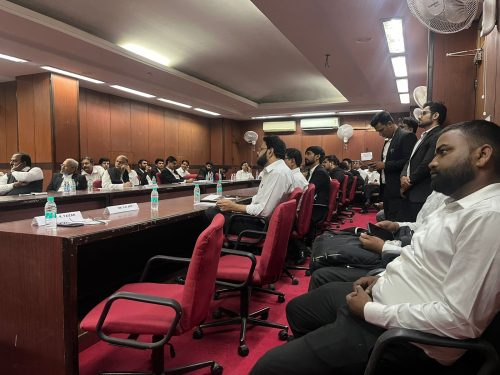
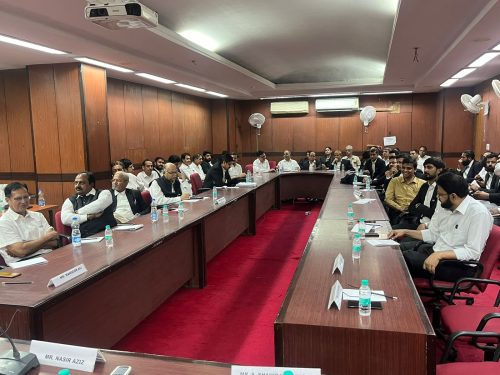
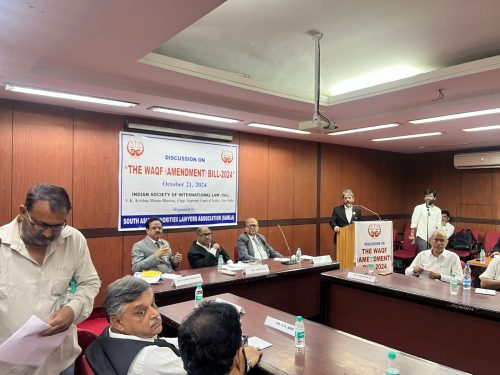
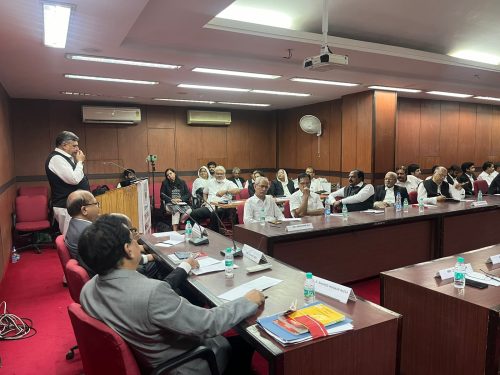
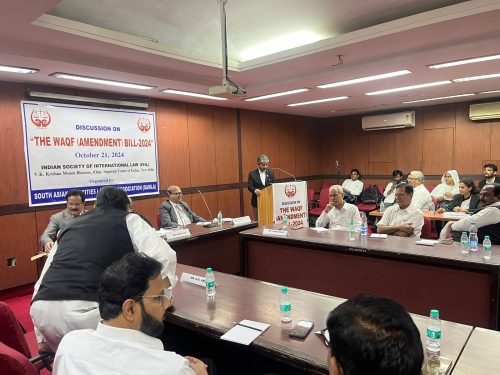
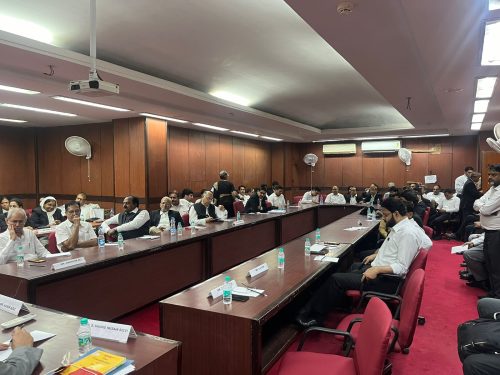
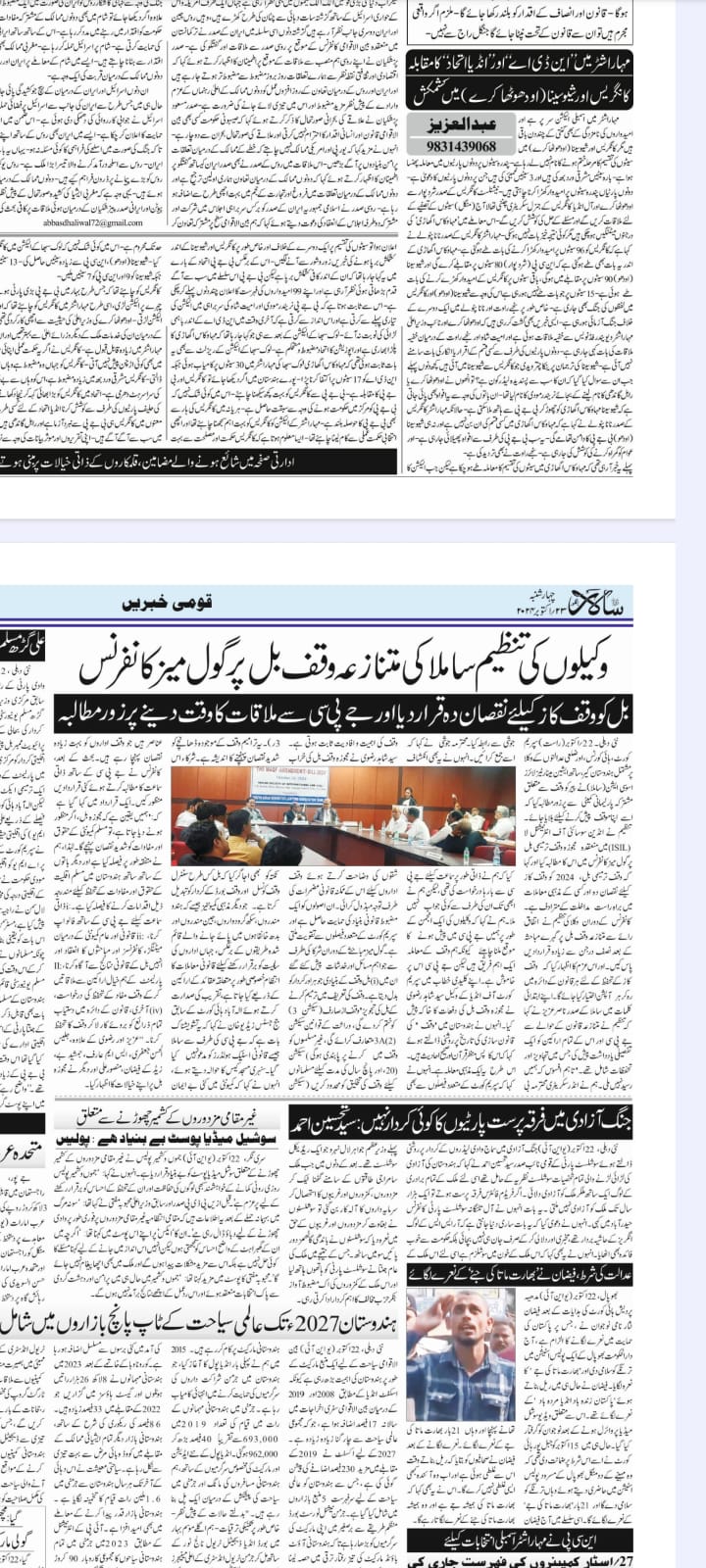
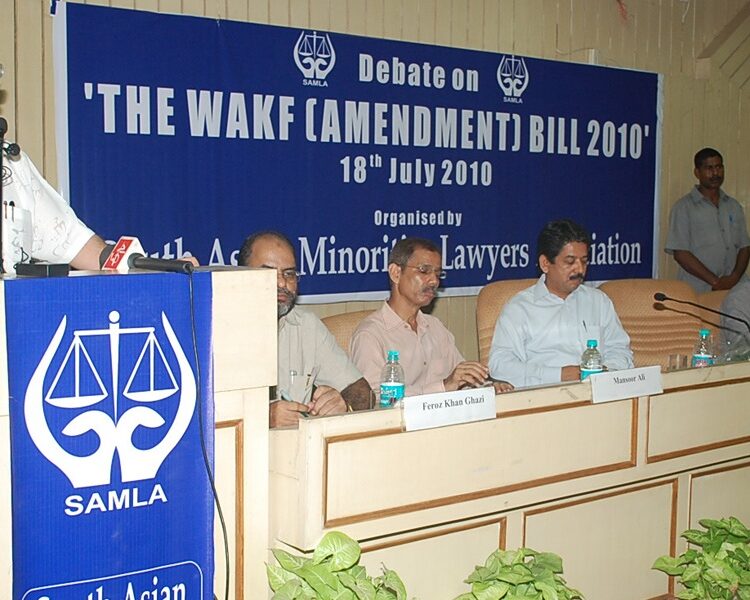
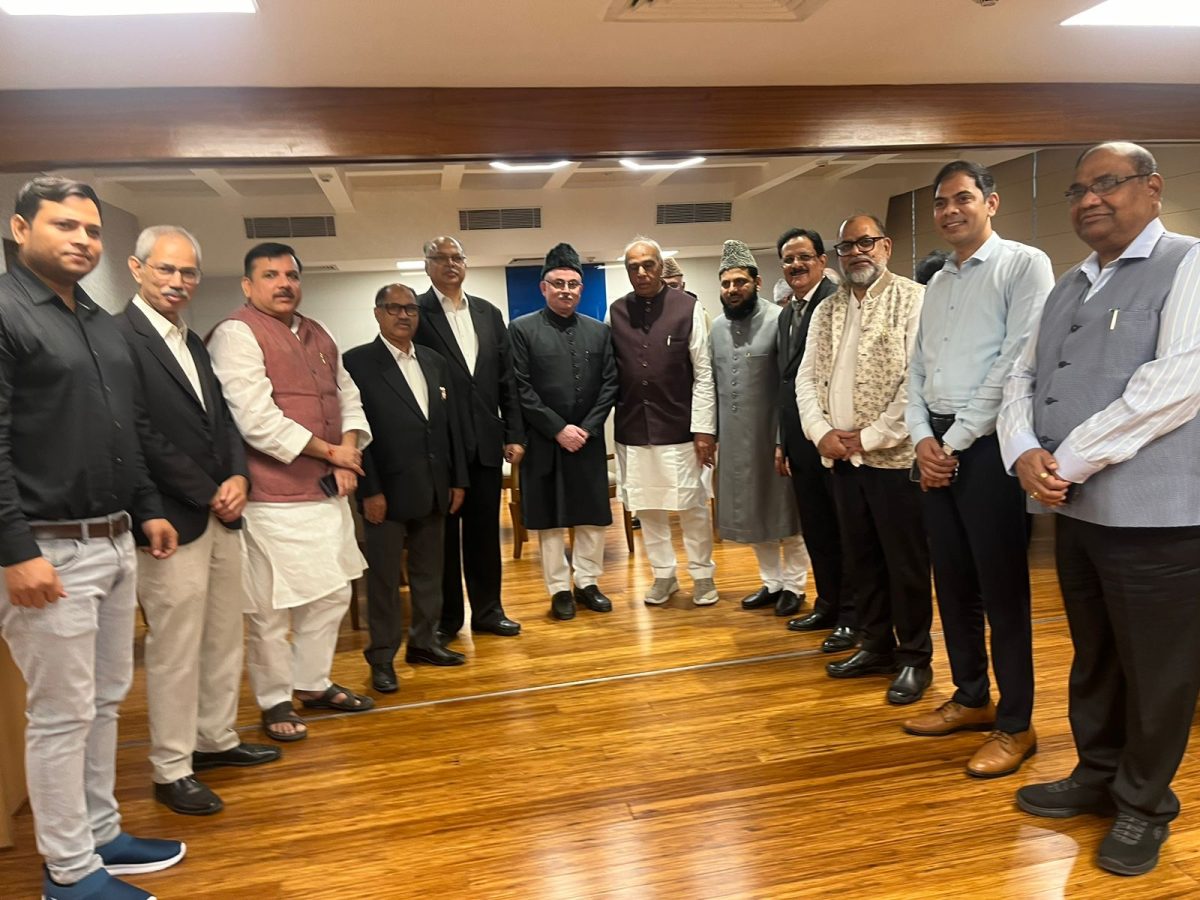
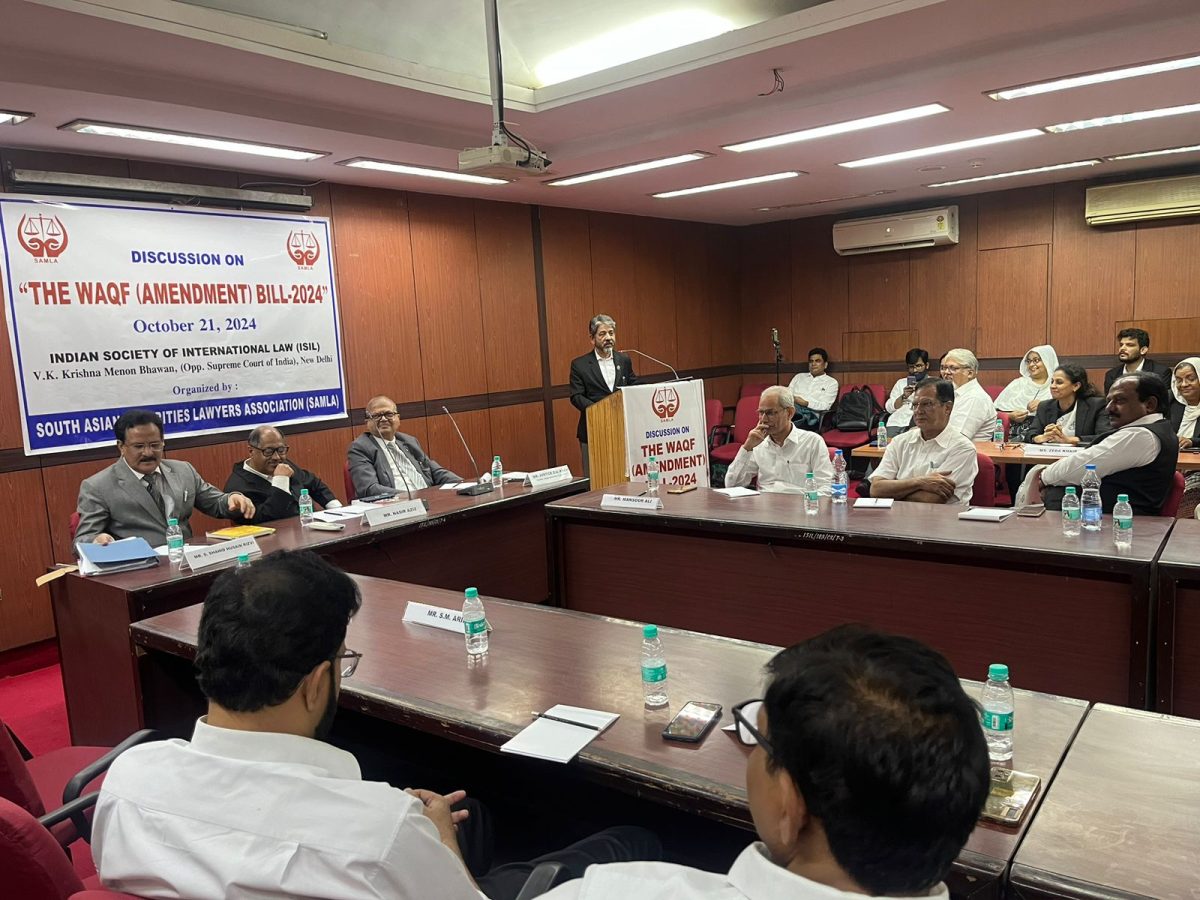
On 05.11.2024, a Delegation of SAMLA- South Asian Minorities Lawyers Association met Mr Jagdambika Pal, Chairman JPC on the Waqf Amendment Bills 2024 and submitted its objections/suggestions on the Bill.