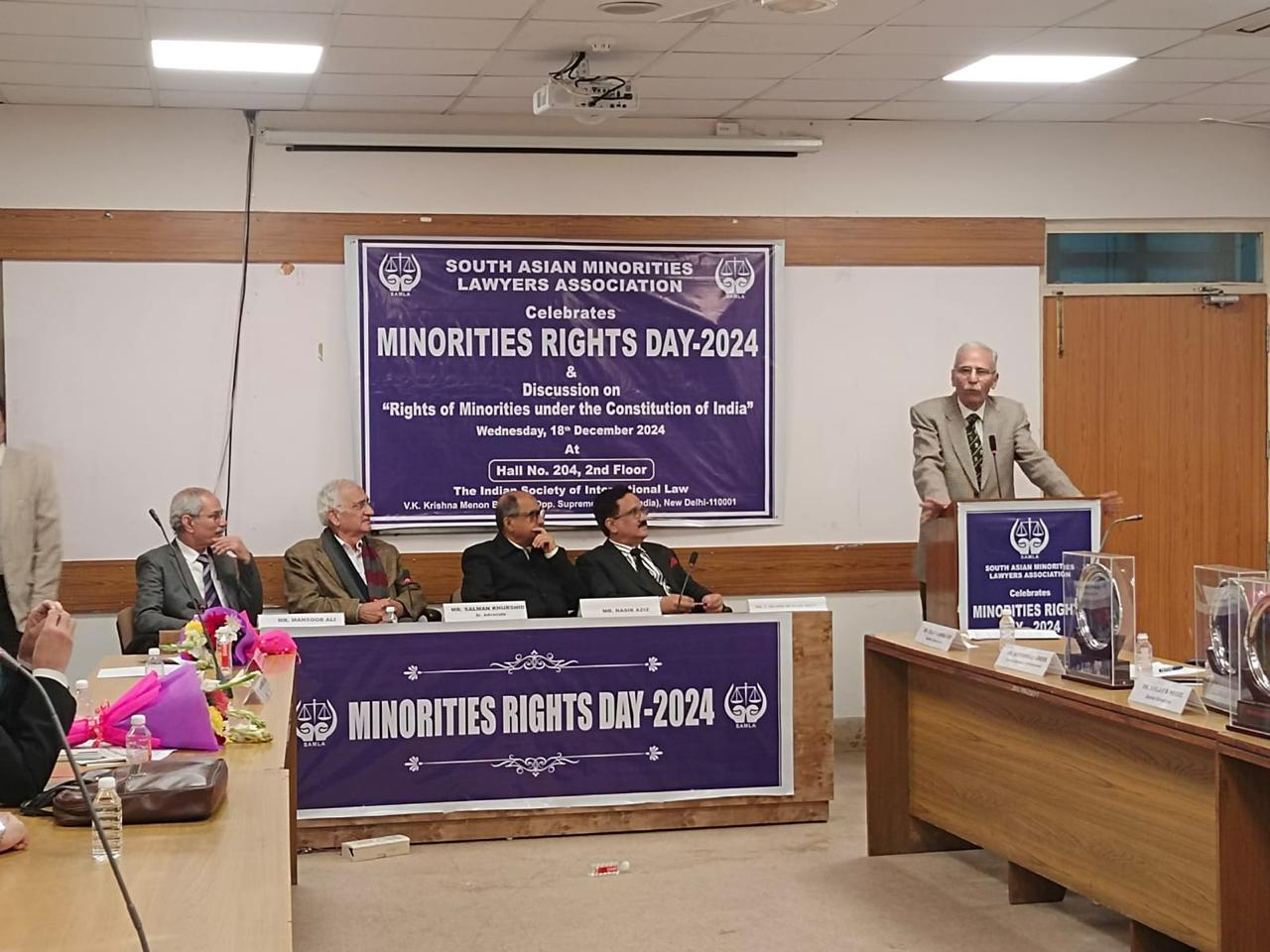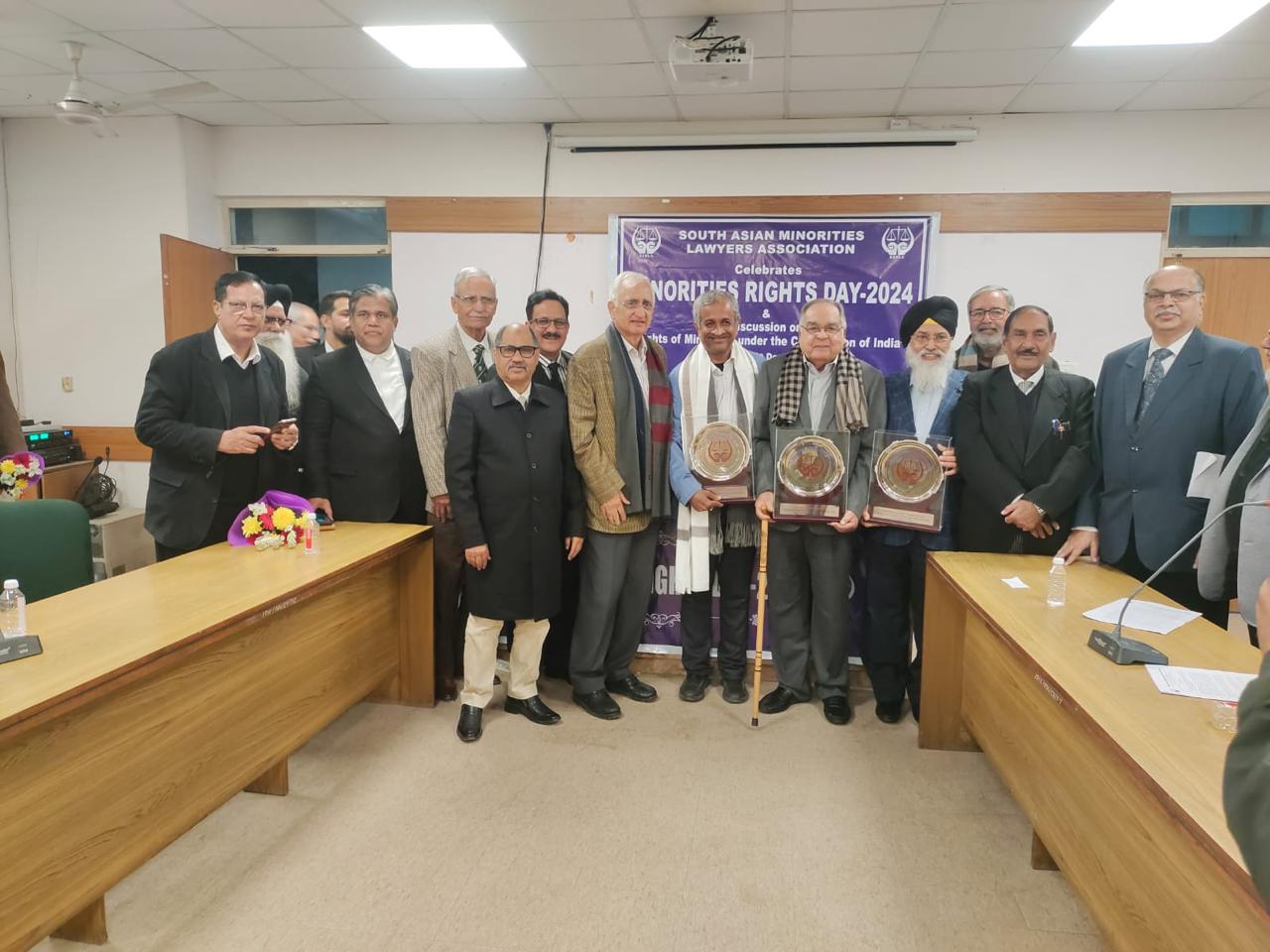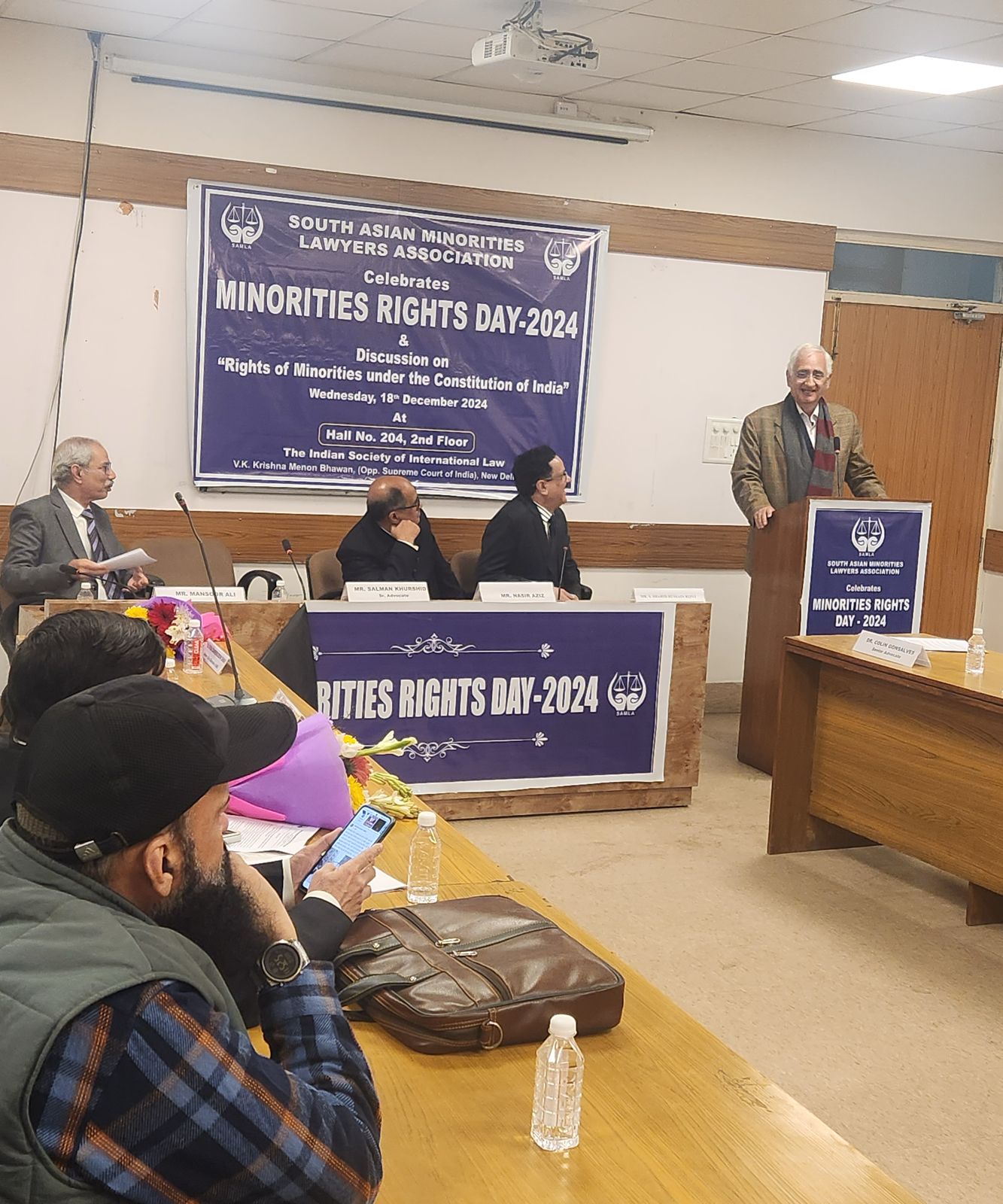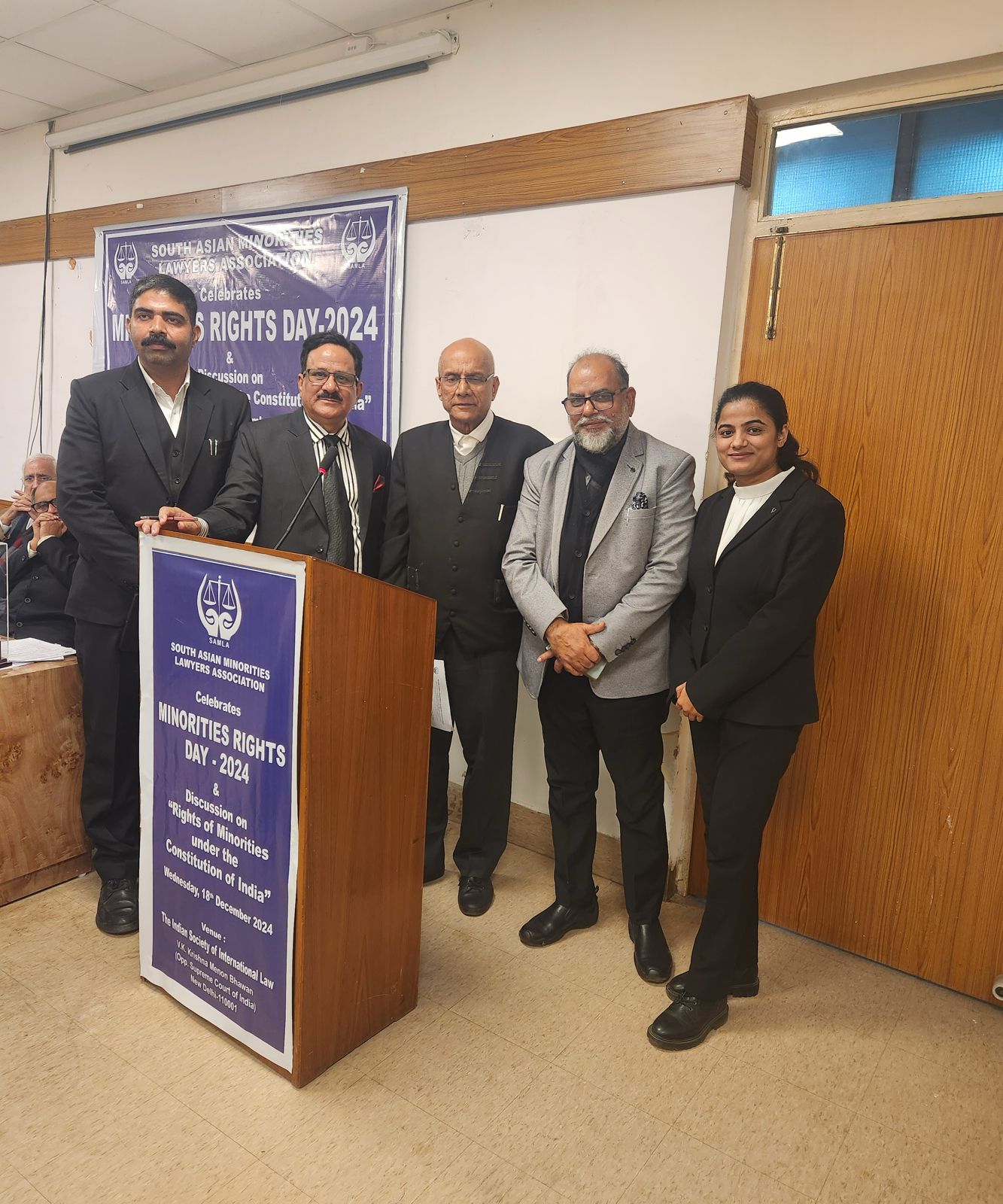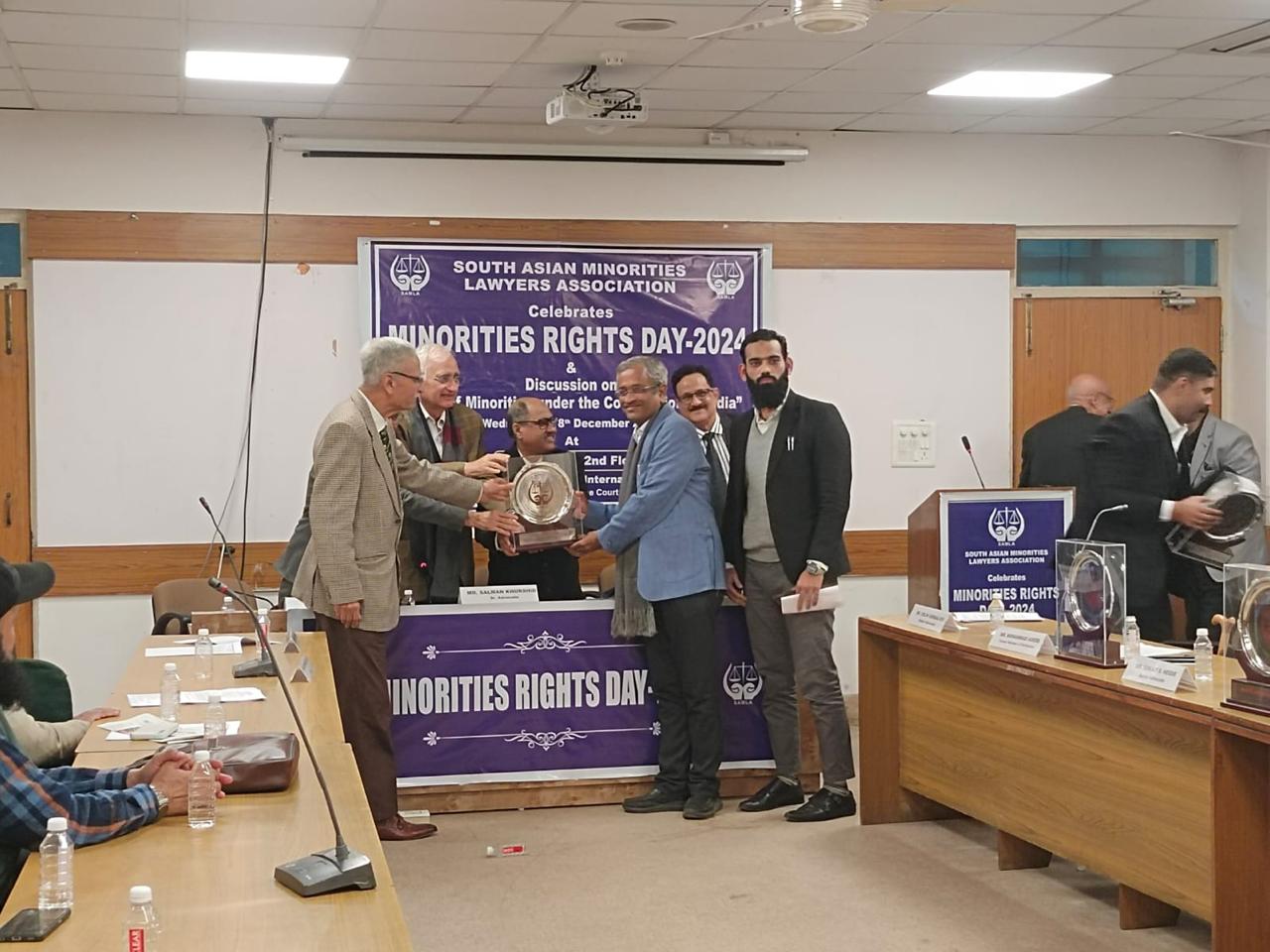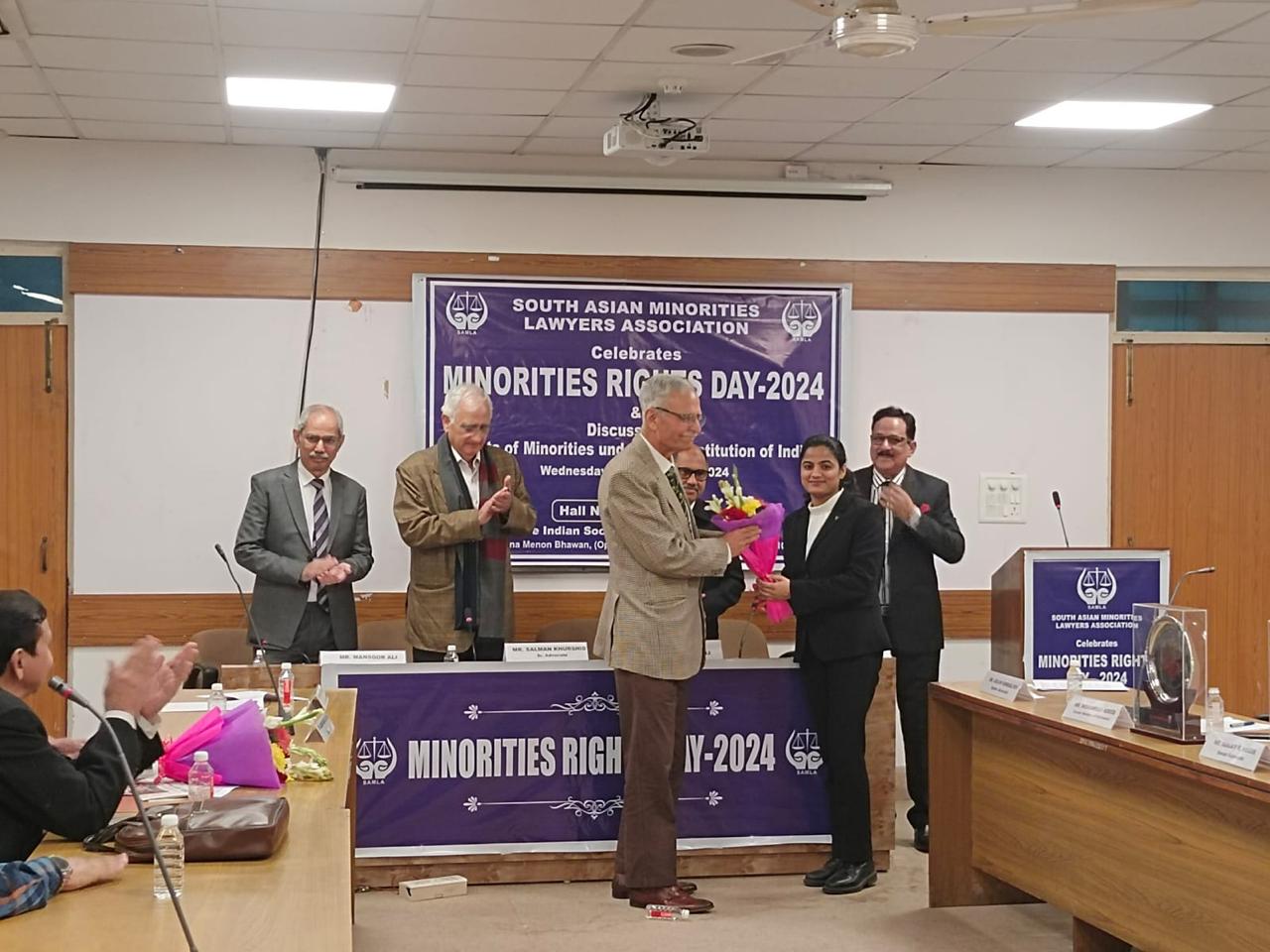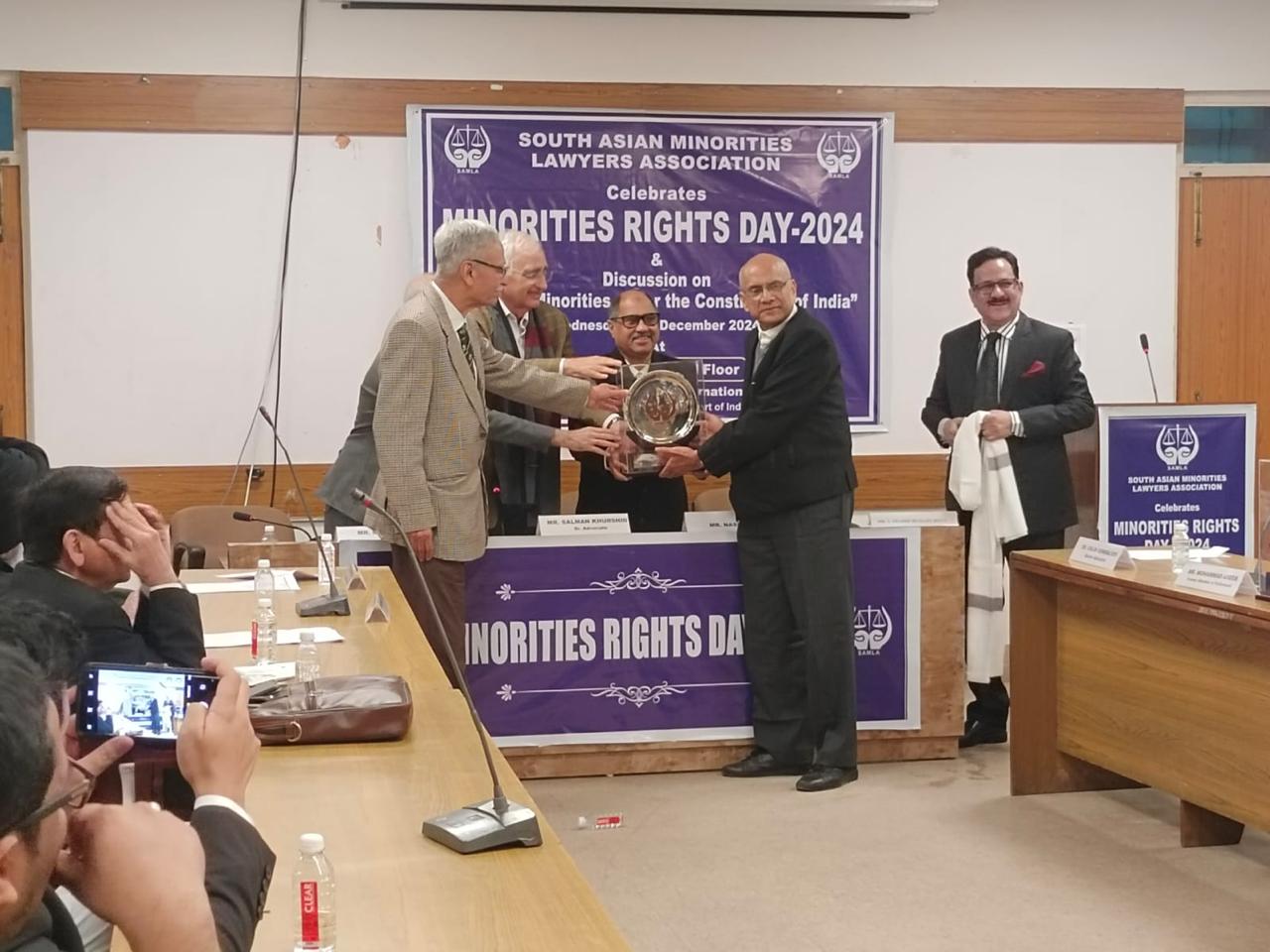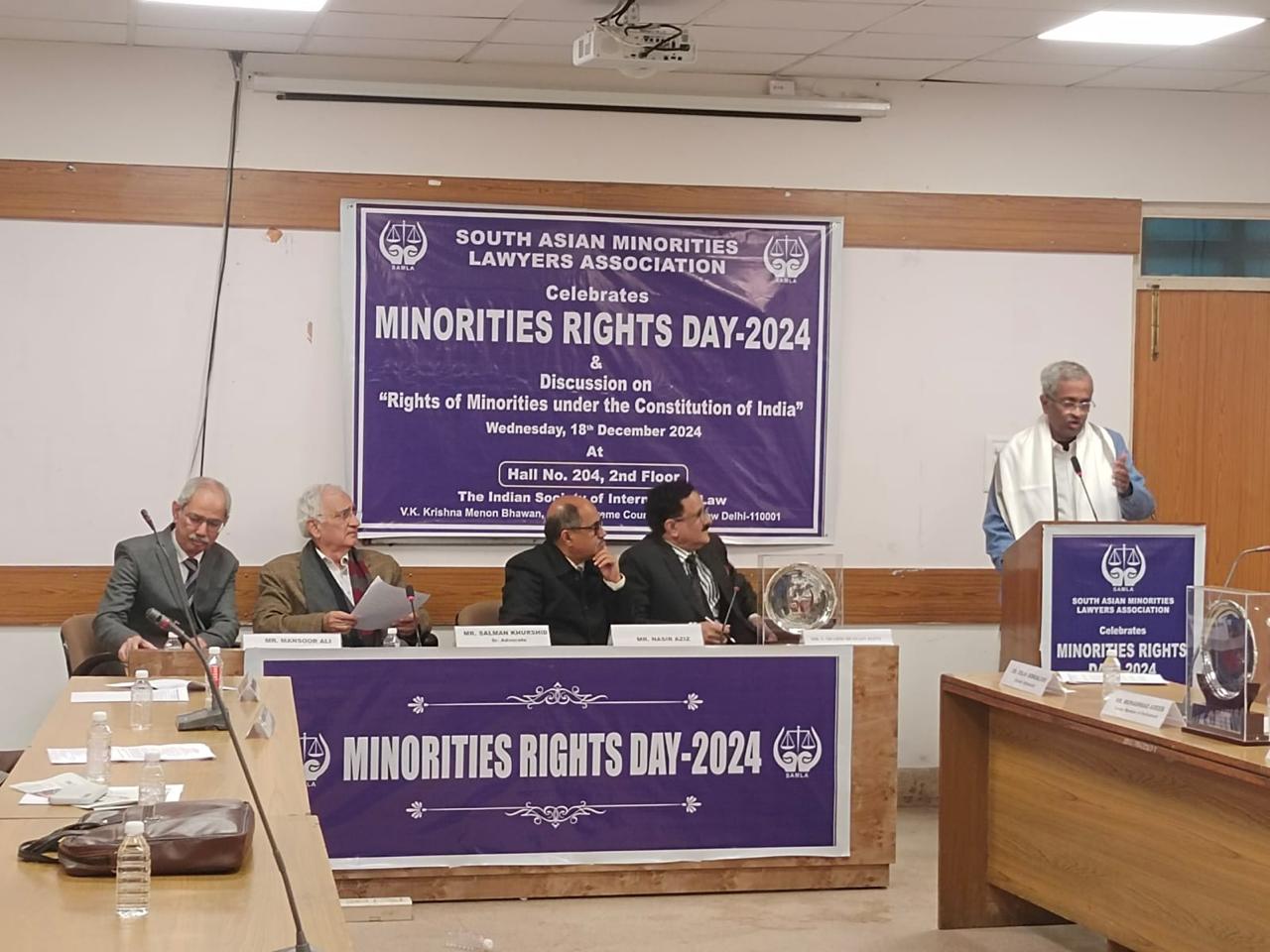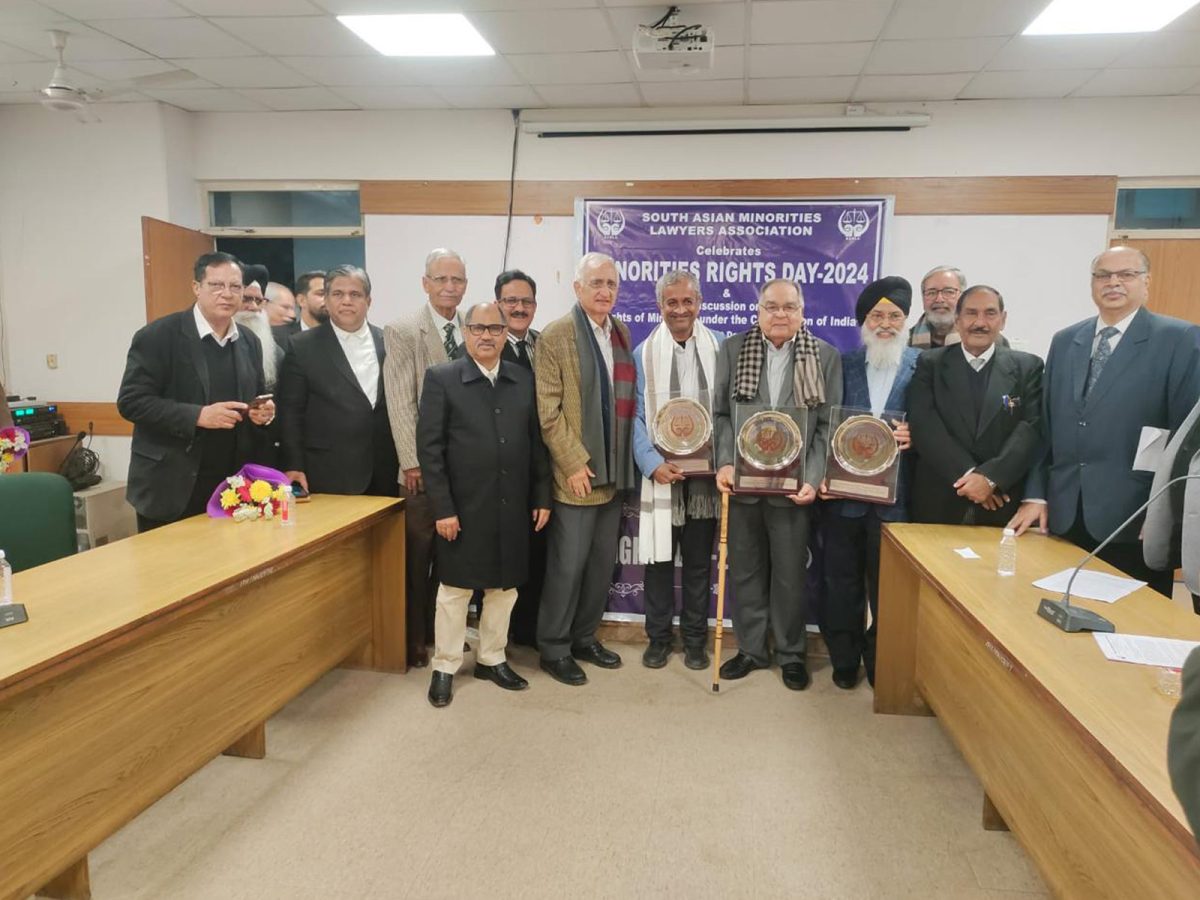
Subject: Resolution of South Asian Minorities Lawyers Association ( SAMLA) on the Observance and Protection of Minority Rights on Minorities Rights Day on December 18, 2024
Whereas the United Nations on 18th December 1992, adopted and proclaimed the declaration on the Rights of Persons belonging to National or Ethnic, Religious or Linguistic Minorities. The Declaration underscores the need to respect, preserve and protect the cultural, religious, linguistic and national identities of minority groups, both at the State and individual levels. It also places a responsibility on the States to enhance the living conditions of minorities and actively promote awareness about their unique identities, ensuring their rights are safeguarded and valued. Since then 18th December every year is celebrated Minorities Rights Day all over the world.
Whereas India being the signatory of the Declaration observes Minorities Rights Day annually on 18th December to promote awareness about the rights of minority communities, acknowledge their contribution and work towards their protection and empowerment;
Whereas minorities, by virtue of their smaller numbers or differing beliefs, traditions, and practices, often face discrimination, marginalization, and violation of their fundamental rights in various parts of South Asia;
Whereas the observance of Minorities Rights Day serves as an important reminder of the need to recognize and address the concerns of minority groups, promoting social harmony, equality, and justice;
Whereas the South Asian Minorities Lawyers Association (SAMLA) acknowledges the rich diversity of South Asia, which is home to multiple religious, cultural, and linguistic communities, each contributing to the region’s vibrant social and cultural fabric;
Whereas many countries in South Asia have witnessed increasing incidents of religious intolerance, violence, and systematic persecution of minority communities, including but not limited to Hindus, Muslims, Sikhs, Christians, Jains, Buddhists, and others, which has led to a violation of their basic human rights;
Whereas in Bangladesh, Hindus are facing systemic discrimination and are subjected to unfair treatment and punishment. Religious minorities such as Christians, Hindus and Ahmadias continuously face violence and discrimination in Pakistan and in Afghanistan, the Baha’i faith has been officially condemned as blasphemy, rendering its followers vulnerable to persecution
Whereas in India, religious minorities often face persecution at the hands of the dominant majority across various levels, whether in the protection of their educational institutions, religious places, ethnic identities or even in their dietary practices. In recent years, the country has witnessed a surge in “hate speech” and the rise of the so-called “liberation of religious places” movement, predominantly led by the majority community. Tragically, these orchestrated movements have led to the loss of many innocent lives. However, thanks to the timely intervention of the Hon’ble Supreme Court which has given quietus to the issues and further loss of life and destruction of property has been averted.
Whereas SAMLA affirms that the rights of minorities to life, dignity, security, cultural identity, and religious freedom must be upheld as part of the broader commitment to human rights and democratic values;
Now, therefore, be it resolved that:
- SAMLA reaffirms its commitment to the protection and promotion of minority rights in South Asia, recognizing the indispensable role that religious, cultural, and linguistic minorities play in the region’s social and economic development.
- SAMLA calls for a renewed commitment by governments, political leaders, and civil society organizations across South Asia to uphold and enforce the legal protections for minorities, ensuring that all minority groups have access to equal rights, justice, and opportunities.
- SAMLA strongly urges governments to take prompt and effective action to prevent and address religious violence, discrimination, and hate speech, and to hold perpetrators accountable for their actions in accordance with international human rights standards.
- SAMLA advocates for the implementation of international conventions and frameworks, including the Universal Declaration of Human Rights and the International Covenant on Civil and Political Rights, which affirm the rights of minorities to practice their religion, maintain their cultural identity, and live free from persecution.
- SAMLA expresses concern over the politicization of religious issues, particularly where the rights of minorities are compromised for political gain, and calls for the protection of all communities, regardless of religious or cultural background, against such exploitation.
- SAMLA reaffirms the importance of interfaith dialogue and community-based initiatives to foster mutual understanding, respect, and cooperation among South Asia’s diverse communities.
- SAMLA urges governments to ensure the effective enforcement of laws that protect minorities from discrimination and to provide adequate mechanisms for redress, including the creation of accessible legal avenues for victims of religious and cultural persecution.
- SAMLA calls on the international community to remain vigilant in monitoring the situation of minorities in South Asia and to support efforts that advance religious tolerance, peaceful coexistence, and the safeguarding of human rights in the region.